
Blog

  • 11 Best Olive Young x Sephora K-Beauty Products

    11 Best Olive Young x Sephora K-Beauty Products

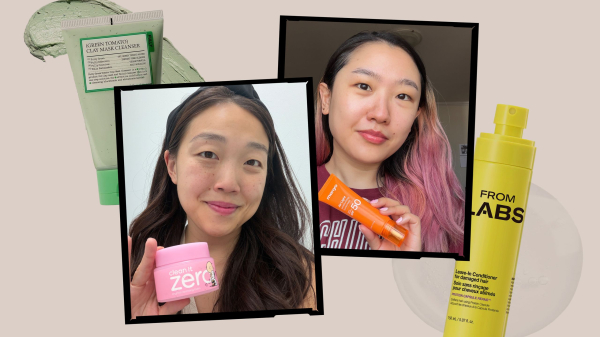
    A collage of photos of women holding beauty products surrounded by other beauty productsCollage: Jemeria Davison; Source images: Courtesy of brands and Allure editorsSave StorySave this storySave StorySave this story

    If you’ve ever stepped inside an Olive Young in Seoul (especially a flagship store), you know the particular thrill of wandering aisle after aisle of buzzy Korean skin care, makeup, and hair care—and wondering how much you can reasonably fit in your suitcase. Starting today, you can save that precious luggage space. Sephora and Olive Young are officially coming together to bring 19 Olive Young-curated K-beauty brands to Sephora.com (and in stores).

    And this isn’t simply Sephora stocking more K-beauty. Olive Young, Korea’s largest health and beauty retailer, selected the lineup based on product performance, popularity, and trend leadership back home, essentially giving American shoppers a shortcut to what Korean beauty lovers are actually buying. The assortment spans familiar names like Banila Co, Ma:nyo, and Abib alongside brands that have largely flown under the radar stateside, including Fully, Menokin, and Bioheal BOH. Translation: Your next K-beauty haul comes with significantly less jet lag.

    Our Top Olive Young x Sephora Products

    • Bean There, Smoothed That: BePlain Mung Bean Pore Tight-Up Serum, $34
    • Stick Around: Abib Quick Sunstick Protection Bar SPF50+, $28
    • Just Popping In: Menokin 30 Seconds Quick Bubble Mask, $32
    • Soy Long, Makeup: Ma:nyo Pure Soybean Cleansing Milk, $21
    • Root Awakening: Dr.ForHair Folligen Thickening Shampoo, $24
    • Green Means Glow: Fully Green Tomato Clay Mask Cleanser, $20
    • Damage Control: FromLabs Protein Capsule Hair Repair Leave In Conditioner, $20

    Frequently Asked QuestionsAccordionItemContainerButtonLargeChevron

    • Can I trust buying Korean skin-care products online?
    • Meet the experts
    • How we test and review products
    • Our staff and testers

    Bean There, Smoothed That: BePlain Mung Bean Pore Tight-Up Serum
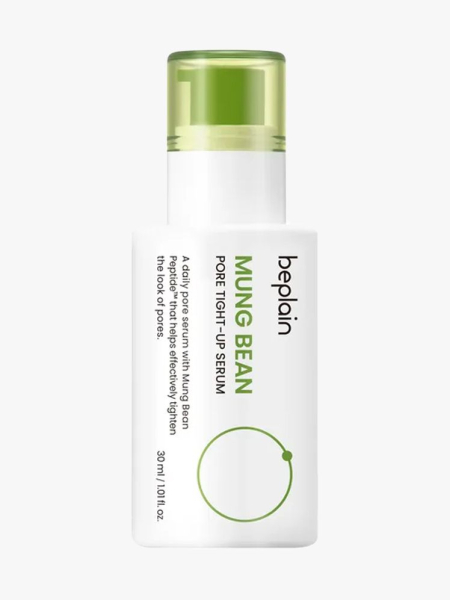
    Beplain Mung Bean Pore Tight-Up Serum in branded component on a light gray backgroundSave to wishlistSave to wishlist

    BePlain

    Mung Bean Pore Tight-Up Serum

    $34

    Sephora

    Allure commerce editor Sarah Han applying the BePlain Mung Bean Pore Tight-Up Serum

    Sarah Han

    Why we love it: Until now, Beplain has largely flown under the radar in the US, but with its arrival at Sephora, that’s about to change. Back in South Korea, the skin-care brand has already made a name for itself with its soothing mung bean formulas, which have racked up awards from major K-beauty platforms like Hwahae and, of course, Olive Young. Here, mung bean seed extracts are paired with niacinamide, which can regulate excess oil and improve the look of pores, plus glycerin and hyaluronic acid to draw moisture into the skin. Adenosine and peptides round out the formula with smoothing benefits. What starts as a lightweight gel melts into a watery essence on contact, sinking in almost instantly and leaving skin noticeably softer and glassier.

    Tester feedback from commerce editor Sarah Han

    AccordionItemContainerButtonLargeChevron

    “As a heavily awarded brand (by both retailers like Olive Young and K-beauty review sites such as Hwahae), Beplain has been on my radar for a while. So, while in Seoul, I picked up three of its mung bean products: cleansing oil, cleansing foam, and serum. All were really great, but spoiler alert: The serum was the standout. I love a lightweight gel serum, and this one is especially cooling and refreshing, and it absorbs like *snaps fingers.* As someone who's increasingly concerned about pore care—especially around the center of my face—I love how seamlessly the Mung Bean Pore Tight-Up Serum fits into my daily routine, no matter day or night. It does tighten up the look of my pores when I use it multiple days in a row." —Sarah Han, commerce editor

    More to know

    AccordionItemContainerButtonLargeChevron

    • Key ingredients: mung bean, peptides, hyaluronic acid, adenosine, niacinamide, glycerin
    • Who it’s for: those with acne and large pores
    • Fragrance-free: yes

    Clean Getaway: Banila Co Clean It Zero Best of Cleansing Balms Trio
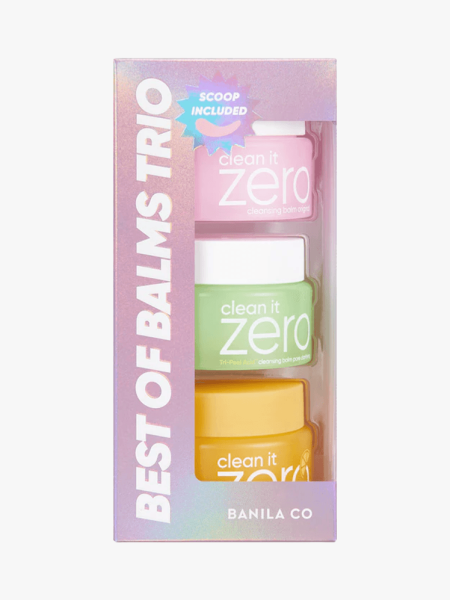
    Banila Co Clean It Zero Best of Cleansing Balms Trio in branded component on a light gray backgroundSave to wishlistSave to wishlist

    Banila Co.

    Clean It Zero Best of Cleansing Balms Trio

    $32

    Sephora

    Allure contributing commerce writer Christa Joanna Lee applying the Banila Co Clean It Zero Best of Cleansing Balms Trio

    Christa Joanna Lee

    Why we love it: Dermatologists, K-beauty experts like Charlotte Cho, and Allure editors have long been keeping Banila Co’s Clean It Zero Cleansing Balm in rotation—and the iconic cleanser now comes in a trio of formulas that let you tailor your first cleanse to your skin’s needs. There’s the Original Balm, the classic, jojoba oil-based makeup melter; Pore Clarifying Balm, which adds salicylic acid, LHA, and gluconolactone for a little extra exfoliating power; and Brightening Balm, made with the vitamin C derivative ascorbyl glucoside to help boost radiance while you cleanse.

    Whichever one you reach for, the appeal starts with that signature texture: a silky solid that practically liquefies on contact, helping dissolve makeup, sunscreen, and excess oil without requiring a ton of rubbing or tugging. “I use this for my evening cleanse when I want to remove all the dirt, makeup, and oil that accumulated throughout the day,” Claire Chang, MD, a board-certified dermatologist at UnionDerm based in New York City, previously told Allure of the Original formula. She also praised its soft, milky texture and the way it leaves her skin feeling smoother and more hydrated. And there’s no need to go overboard: “Just a little scoop goes a long way!” says Cho.

    Tester feedback from contributing commerce writer Christa Joanna Lee

    AccordionItemContainerButtonLargeChevron

    “Some cleansing balms, you just know from the second they hit your skin that they’re going to be a good fit, and Banila Co’s Clean It Zero (the original pink one!) is one of them for me. The solid balm gets sooo melty almost immediately, transforming into such a silky oil that it’s hard to believe it started solid in the first place. I’m already on my third tub even with a shelf of cleansing balms to choose from, which says plenty. I get very irked if my face cleansers leave my skin too squeaky after cleansing but this does no such thing. And, importantly, it passes my white-towel test with flying colors—there’s hardly any makeup residue left behind, save for the little bit my second cleanse takes care of.” —Christa Joanna Lee, contributing commerce writer

    More to know

    AccordionItemContainerButtonLargeChevron

    • Key ingredients: olive oil, jojoba seed oil, acerola fruit extract, pomegranate fruit extract, vitamin C
    • Who it’s for: everyone, especially those with dry or sensitive skin
    • Fragrance-free: yes

    Just Popping In: Menokin 30 Seconds Quick Bubble Mask
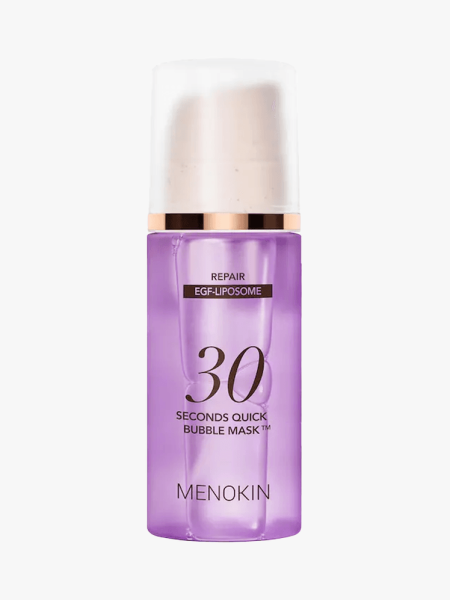
    Menokin 30 Seconds Quick Bubble Mask in branded component on a light gray backgroundSave to wishlistSave to wishlist

    Menokin

    30 Seconds Quick Bubble Mask

    $32

    Sephora

    Han applying the Menokin 30 Seconds Quick Bubble Mask

    Sarah Han

    Why we love it: Love a sheet mask but don’t always have time for one? The lightweight formula foams up in about 30 seconds, creating a layer of tiny bubbles that gradually collapse and sink into skin—no slippery fabric or rinse required. Once the bubbles disappear, they leave behind skin-nourishing benefits: Niacinamide brightens uneven tone and boosts radiance, while hyaluronic acid draws in moisture for a plumper, smoother look. The formula also contains Myrothamnus flabellifolia callus culture extract, an antioxidant-rich plant extract that supports skin recovery, plus adenosine to soften the appearance of fine lines. And tucked toward the end of the ingredient list is sh-Oligopeptide-1, a lab-made form of epidermal growth factor (EGF) used in skin care to support a firmer, smoother, and more rejuvenated appearance. Come for the extremely satisfying bubbles; stay for the skin-care ingredients doing the actual heavy lifting.

    Tester feedback from Han

    AccordionItemContainerButtonLargeChevron

    “The moment I saw this bubble mask in an Olive Young store, I knew I had to get it. I love a sensorial skin-care product, and K-beauty always nails that category. Not only does it melt into your skin in 30 seconds, but you don't even need to wash it off—how simple for someone who's already running late…and taking work-related content at the very last minute. (Guilty.) The instant satisfaction of my glowing, hydrated skin is unmatched. I love sheet masks, but they often slip and slide across your face, feel heavy, and take at least 20 minutes (don't get me started on the multi-hour/overnight masks—I simply won't do them!) to do their thing. Whatever gets me to mask more regularly wins in my book. Hydration is king!” —Sarah Han, commerce editor

    More to know

    AccordionItemContainerButtonLargeChevron

    • Key ingredients: niacinamide, hyaluronic acid, sh-Oligopeptide-1 (EGF), Myrothamnus flabellifolia callus culture extract, adenosine, glycerin
    • Who it’s for: people with uneven skin tone, fine lines, or dry skin
    • How to use it: let it absorb into the skin after cleansing (no need to rinse off)
    • Fragrance-free: yes

    Soy Long, Makeup: Ma:nyo Pure Soybean Cleansing Milk
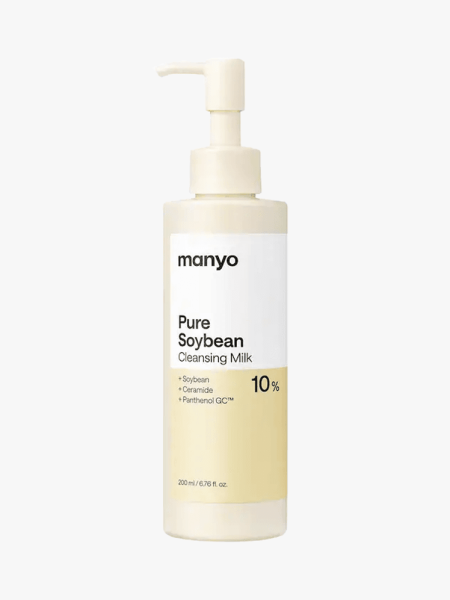
    Ma:nyo Pure Soybean Cleansing Milk in branded component on a light gray backgroundSave to wishlistSave to wishlist

    Ma:nyo

    Pure Soybean Cleansing Milk

    $21

    Sephora

    Former Allure senior commerce editor Sarah Felbin applying the Ma:nyo Pure Soybean Cleansing Milk

    Sarah Felbin

    Why we love it: Already in a committed relationship with Ma:nyo's Best of Beauty-winning Pure Cleansing Oil? Consider its Pure Soybean Cleansing Milk the gentler, creamier addition to your cleansing lineup. The milky, all-in-one formula is particularly well suited to combination-to-dry and sensitive skin, thoroughly whisking away makeup and excess oil without leaving your face with that squeaky-clean, tight feeling. At its center is wild soybean extract fermented for a whopping 120 hours, a process that breaks down the ingredient's components and creates a lightweight, nourishing formula that smooths the look of skin texture and keeps excess sebum in check. Sunflower and jojoba seed oils do much of the makeup-melting work while replenishing skin with emollient moisture, and a supporting cast of ceramides, panthenol, hyaluronic acid, cica, and fig helps hydrate, soothe, and support the moisture barrier.

    Tester feedback from former senior commerce editor Sarah Felbin

    AccordionItemContainerButtonLargeChevron

    “This might be the gentlest cleanser I've ever used. My skin is super-sensitive—some cleansers are too harsh and leave my face feeling dry and tight (not fun). But Ma:nyo's new cleansing milk barely foams up at all and feels more like a moisturizer than a face wash. It's so gentle, I was surprised by how well it removed oil and makeup. Dry skin people, you'll be obsessed with this one.” —Sarah Felbin, former senior commerce editor

    More to know

    AccordionItemContainerButtonLargeChevron

    • Key ingredients: soybean extract, ceramides, panthenol, hyaluronic acid, cica, fig, sunflower seed and jojoba seed oils
    • Who it's for: everyone, especially those with combination or dry skin
    • Fragrance-free: yes

    Sleeping Beauty: Sungboon Editor Deep Collagen Power Boosting Mask
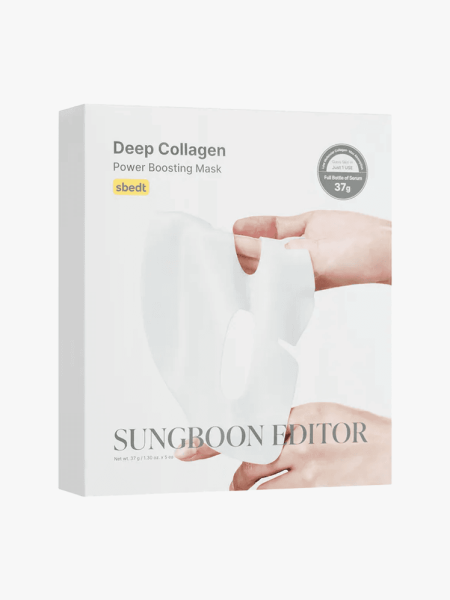
    Sungboon Editor Deep Collagen Power Boosting Mask in branded component on a light gray backgroundSave to wishlistSave to wishlist

    Sungboon Editor

    Deep Collagen Power Boosting Mask

    $24

    Sephora

    Allure shopping market editor Sarah Hoffmann removing the Sungboon Editor Deep Collagen Power Boosting Mask

    Sarah Hoffmann

    Why we love it: If plumper skin is the goal, Sungboon Editor’s Deep Collagen Power Boosting Mask certainly doesn’t skimp on the ingredients meant to get you there. Its claim to fame is the sheer amount of its star ingredient: 2,160,000 ppb of low-molecular-weight collagen. (PPB, or parts per billion, is a way of expressing an ingredient’s concentration within a formula.) Smaller collagen fragments draw moisture to the skin, supporting the appearance of firmness and elasticity. “I like how this mask comes in two parts, so you can adjust as needed. In addition to its high collagen content, it contains multiple peptide ingredients to deliver a powerful, hydrating punch that’s still great for sensitive skin,” says Jane Yoo, MD, a dual board-certified dermatologist and Mohs surgeon based in New York City. Hyaluronic acid piles on even more hydration, while ceramides support the moisture barrier and soothing extracts like cica keep skin feeling comfortable—all adding up to that bouncy, glass-skin finish.

    Tester feedback from Allure shopping market editor Sarah Hoffmann

    AccordionItemContainerButtonLargeChevron

    “This mask was my first foray into overnight sheet masks, and I'm simply obsessed. When you first apply the mask, it's opaque, then when you wake up, and all of that delicious, collagen-packed serum has been absorbed, it's totally clear. So cool, right? If you're worried about it slipping around overnight, don't worry—you have to sit still for about 20 minutes when you first apply it, but after that, it's pretty secure, and you can move about the cabin. I roll around a lot when I sleep, and it was still tacked to my face when I woke up the next morning. These masks are a great way to lock in a bit of extra hydration, especially if you're prone to occasional skin dehydration like I am.” —Sarah Hoffmann, commerce market editor

    More to know

    AccordionItemContainerButtonLargeChevron

    • Key ingredients: collagen, Centella asiatica, niacinamide, 9 peptides
    • Who it’s for: everyone, especially those with dry or mature skin
    • How long to use: 3-4 hours or overnight
    • Fragrance-free: yes

    Light as Air: Ma:nyo Air Light Moisturizing Sunscreen Cream SPF 50
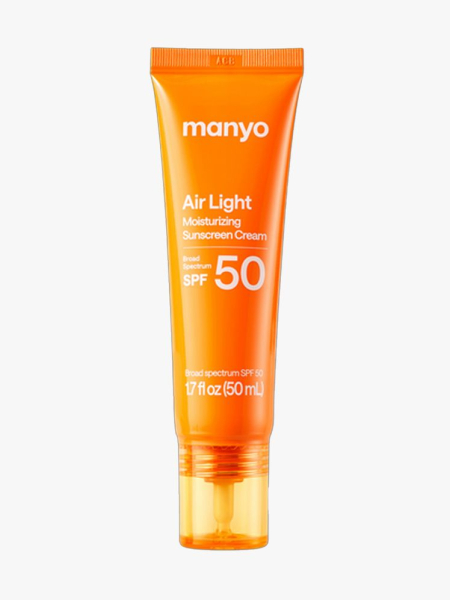
    Manyo Air Light Moisturizing Sunscreen Cream SPF 50 in branded tube component on a light gray backgroundSave to wishlistSave to wishlist

    Ma:nyo

    Air Light Moisturizing Sunscreen Cream SPF 50

    $18

    Sephora

    Han applying the Ma:nyo Air Light Moisturizing Sunscreen Cream SPF 50

    Sarah Han

    Why we love it: Ma:nyo’s Air Light Moisturizing Sunscreen Cream SPF 50 feels less like a sunscreen and more like your favorite lightweight moisturizer that just happens to come with serious sun protection. Its airy feel comes in part from ensulizole, an FDA-approved, water-soluble UV filter that lends itself well to less greasy-feeling formulas. On the hydration front, nano-hyaluronic acid and hydrolyzed hyaluronic acid draw in and hold onto moisture for a plumper, more supple feel without piling on the weight. And because sun spots can still happen even when you’re diligent about reapplying sunscreen (you are, aren’t you?), the formula doubles down on discoloration care with tranexamic acid and niacinamide to improve the look of existing dark spots and uneven tone, plus antioxidant vitamin E to defend against environmental stressors.

    Tester feedback from Han

    AccordionItemContainerButtonLargeChevron

    “Korean sunscreens are so good that it's honestly hard for one to stand out from the rest. (I try a lot of them, ok?) However, thanks to the US banning sales of non-FDA-approved sunscreen filters, our options have gotten a bit more interesting. I tested Ma:nyo’s Air Light SPF for a few months before it even launched (thanks to a sample I got during Best of Beauty testing), and have been smitten with it ever since. It has that serum-y texture I love in my sunscreens, melting into my skin super quickly—because I can't be bothered to rub in sunscreen for 30seconds when there are much faster options! It's super breathable and layers beautifully without a trace of pilling.” —Sarah Han, commerce editor

    More to know

    AccordionItemContainerButtonLargeChevron

    • Key ingredients: ensulizole, nano-hyaluronic acid, hydrolyzed hyaluronic acid, tranexamic acid, niacinamide
    • Who it’s for: everyone, especially those with uneven skin tone
    • Fragrance-free: yes

    Root Awakening: Dr.ForHair Folligen Thickening Shampoo
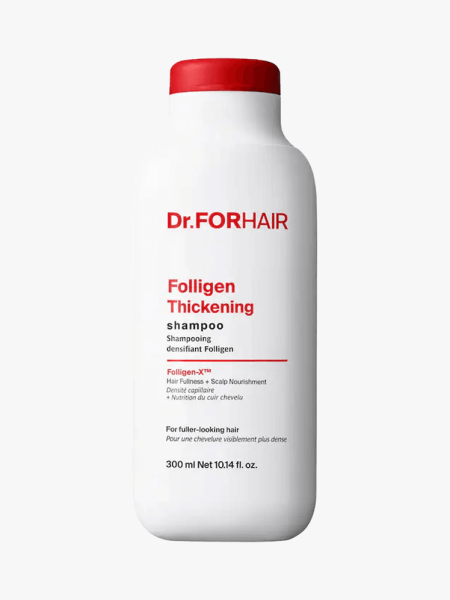
    Dr.ForHair Folligen Thickening Shampoo in branded component on a light gray backgroundSave to wishlistSave to wishlist

    Dr.ForHair

    Folligen Thickening Shampoo

    $24

    Sephora

    Why we love it: The K-beauty treatment doesn’t end at your hairline—Korean hair care puts scalp health front and center, too. Dr.ForHair’s Folligen Shampoo follows suit, making it an especially good match for oily, irritated, or sensitive scalps, including those experiencing thinning or excessive shedding. At the center is the brand’s proprietary Folligen Complex, which combines caffeine, biotin, peptides, and panthenol to care for both scalp and strands. Caffeine supports healthy follicle function, biotin promotes keratin production, peptides reinforce the hair fiber, and moisturizing panthenol softens hair and soothes dryness. Niacinamide lends additional barrier support, while mild exfoliating ingredients like phytic acid whisk away excess oil and buildup that can leave the scalp feeling itchy or uncomfortable. For maximum scalp-care points, don’t immediately rinse: Work the lather into your roots with your fingertips (or a scalp massager) and give it a moment before washing it away.
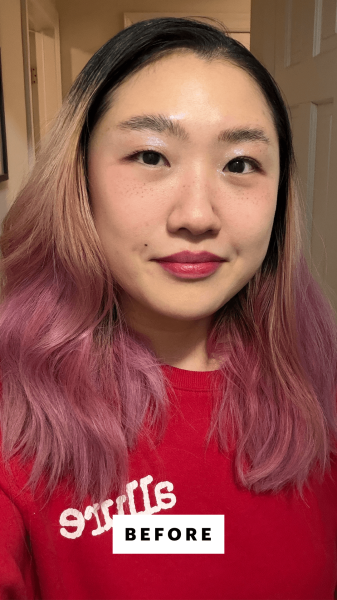
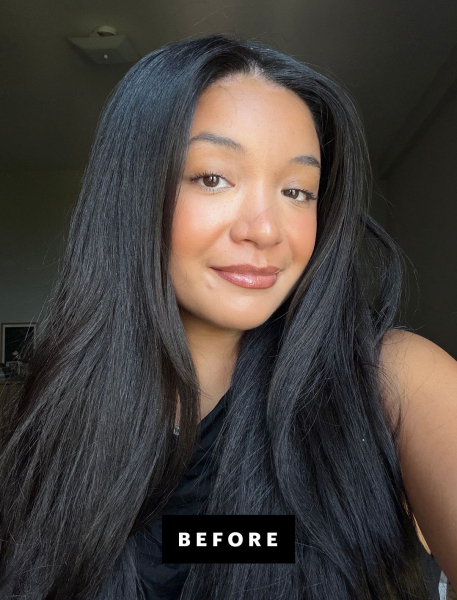
    Han before applying the Dr.ForHair Folligen Shampoo

    Han before applying the Dr.ForHair Folligen Thickening Shampoo

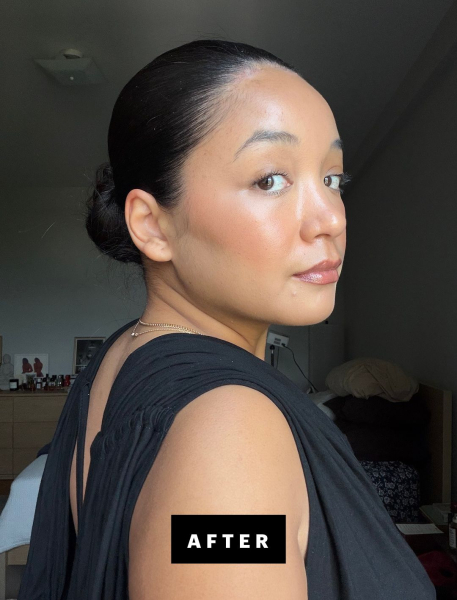
    Sarah HanHan after applying the Dr.ForHair Folligen Shampoo
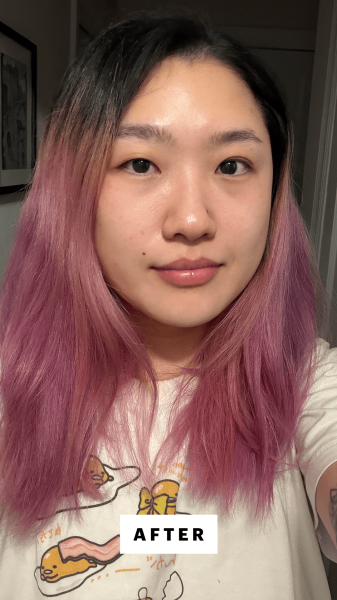
    Han after applying the Dr.ForHair Folligen Thickening Shampoo

    Sarah Han

    Tester feedback from Han

    AccordionItemContainerButtonLargeChevron

    “I'm slowly finding out that hydrating shampoos aren't doing my hair many favors—well, that and after a week of procrastinating wash day, my scalp is in need of a deeper cleanse than what the former is capable of. I first found out about Dr.ForHair through its sub-brand Unove (which makes a fantastic hair mask!), so I went into this shampoo trial with high hopes. I love how gentle it feels, despite being a clarifying formula, and it really gets to the roots of my excess oil and dead cells. By the second shampoo (which I always do, especially since I wash my hair…two times a week max, and that’s on a good week), it forms a gigantic cloud of foam basically as soon as it touches my hair—so satisfying and so indicative of how well it's working. My scalp always feels lighter, softer, and refreshed.” —Sarah Han, commerce editor

    More to know

    AccordionItemContainerButtonLargeChevron

    • Key ingredients: Folligen Complex (caffeine, biotin, peptides, panthenol), niacinamide, phytic acid
    • Who it’s for: people with thinning or aging hair
    • Fragrance-free: yes

    Stick Around: Abib Quick Sunstick Protection Bar SPF50+
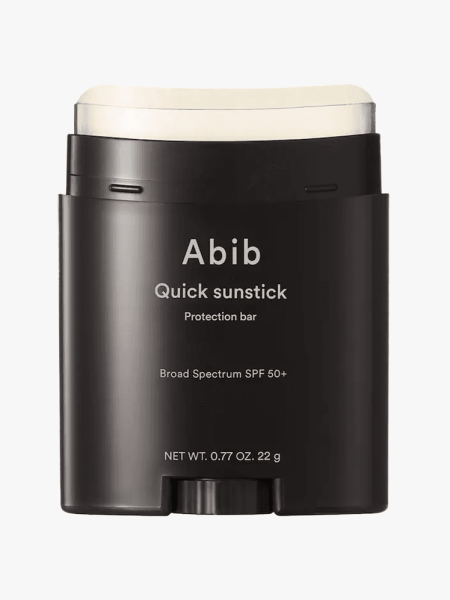
    Abib Quick Sunstick Protection Bar SPF50+ in branded component on a light gray backgroundSave to wishlistSave to wishlist

    Abib

    Quick Sunstick Protection Bar SPF50+

    $28

    Sephora

    Why we love it: Reapplying sunscreen is practically ingrained in K-beauty culture, and products like Abib’s Quick Sunstick Protection Bar SPF 50+ make the habit a whole lot easier to keep up with. Instead of dealing with a liquid formula (and messy hands) when you’re out and about, this curved stick hugs the contours of your face and glides on with a clear, silky finish that makes midday touch-ups especially easy—even over makeup. Its broad-spectrum SPF 50+ protection comes courtesy of four chemical UV filters (avobenzone, homosalate, octisalate, and octocrylene), but there’s plenty happening on the skin-care side, too: Sodium hyaluronate and glycerin draw in moisture, while squalane, argan, olive, and tamanu oils soften and condition dry skin. Aloe and Centella asiatica lend soothing benefits, antioxidant-rich green tea defends against environmental stressors, and ceramides support the skin barrier. Between the nourishing formula and convenient packaging, “I forgot to reapply” is officially a much harder excuse to make.

    More to know

    AccordionItemContainerButtonLargeChevron

    • Key ingredients: homosalate 9.5%, octocrylene 5%, octisalate 4.5%, avobenzone 3%, sodium hyaluronate, glycerin, squalane, argan, olive oil, tamanu oil, aloe, Centella asiatica
    • Who it’s for: everyone, especially those with dry skin
    • Fragrance-free: yes

    Green Means Glow: Fully Green Tomato Clay Mask Cleanser
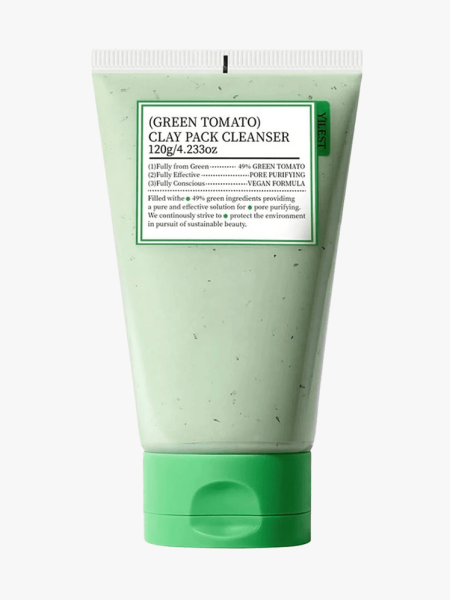
    Fully Green Tomato Clay Mask Cleanser in branded tube component on a light gray backgroundSave to wishlistSave to wishlist

    Fully

    Green Tomato Clay Mask Cleanser

    $20

    Sephora

    Why we love it: Fully may be a newer name on the K-beauty scene, but it’s already found its niche: green tomatoes and really, really clean pores. Its Green Tomato Clay Mask Cleanser—the standout of its pore-focused lineup—nabbed the number-two spot in the wash-off mask category in Hwahae’s 2025 Beauty Awards. And the tomato isn’t just there to make the ingredient list more interesting: Tomato fruit water delivers antioxidant benefits and helps skin look smoother and more refined. Kaolin and bentonite team up with colloidal clay to soak up excess sebum and sweep away pore-clogging buildup, while corn mint powder lends a little extra oil-absorbing power. But this isn’t the kind of clay mask that leaves your face feeling shrink-wrapped afterward: Glycerin and beta-glucan replenish moisture, while cica and ceramides soothe and support the skin barrier.

    More to know

    AccordionItemContainerButtonLargeChevron

    • Key ingredients: tomato fruit water, kaolin, bentonite, colloidal clay, corn mint powder, glycerin, beta-glucan, cica, ceramides
    • Who it’s for: people with oily skin or large pores
    • Fragrance-free: yes

    Damage Control: FromLabs Protein Capsule Hair Repair Leave In Conditioner
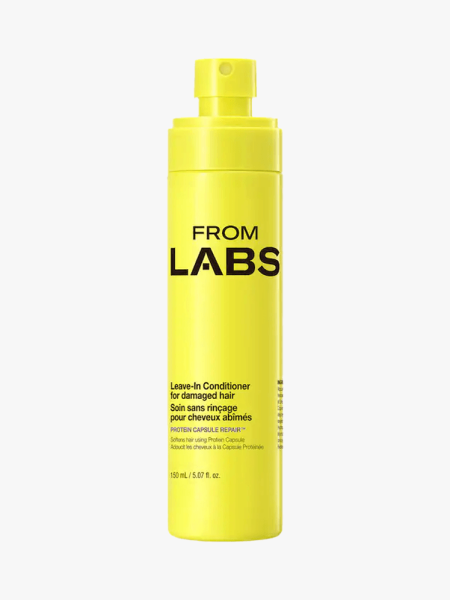
    FromLabs Protein Capsule Hair Repair Leave In Conditioner in branded component on a light gray backgroundSave to wishlistSave to wishlist

    FromLabs

    Protein Capsule Hair Repair Leave In Conditioner

    $20

    Sephora

    Why we love it: FromLabs is known for bringing the kind of intensive hair treatments you’d expect from a buzzy Cheongdam-dong salon straight into your bathroom—and its Protein Capsule Hair Repair Leave-In Conditioner does it without adding another rinse-out step to your routine. The ultrafine mist can be spritzed onto damp or dry hair to tackle frizz, tangles, and dryness, with the brand’s proprietary three-layer Protein Capsule Repair technology coating damaged areas and delivering strengthening proteins (keratin, silk, soy, and wheat, to name a few) to the hair.

    Meanwhile, glycerin and hydroxyethyl urea attract moisture, while silicones smooth the cuticle and add slip without the greasy finish you might expect from such a repair-heavy formula. It even provides heat protection up to 428 degrees Fahrenheit, making it an easy pre-blowout step—and the dewy rose and blackcurrant scent is a nice little nod to the fancy-salon experience.

    More to know

    AccordionItemContainerButtonLargeChevron

    • Key ingredients: keratin, silk, soy, wheat, glycerin, hydroxyethyl urea, silicones
    • Who it’s for: people of all hair types with damage
    • Fragrance-free: no

    Easy on the Eyes: Bioheal BOH Probioderm Collagen Remodeling Eye Patch
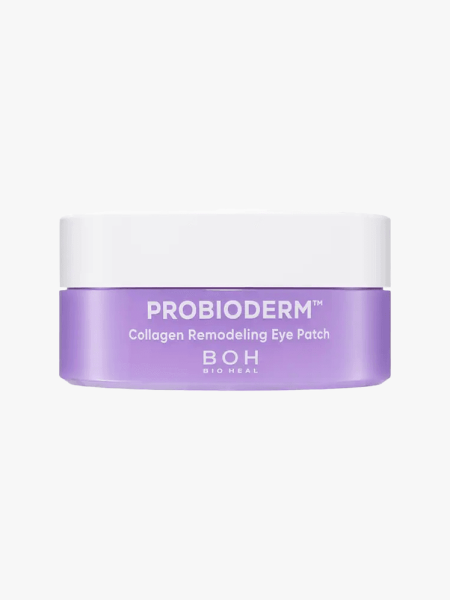
    Bioheal BOH Probioderm Collagen Remodeling Eye Patch in branded tub component on a light gray backgroundSave to wishlistSave to wishlist

    Bioheal

    BOH Probioderm Collagen Remodeling Eye Patch

    $22

    Sephora

    Why we love it: Think of Bioheal BOH’s Probioderm Collagen Remodeling Eye Patches as a cheat sheet to some of K-beauty’s buzziest ingredients—and a much more convincing way to fake a full night’s sleep. Olive Young’s in-house brand packs these eye patches with multiple forms of collagen alongside hydrolyzed elastin to give tired undereyes a plumper, smoother, more bouncy appearance. PDRN (DNA fragments of salmon sperm DNA) joins what can only be described as a peptide party (acetyl hexapeptide-8, copper tripeptide-1, palmitoyl pentapeptide-4, and plenty more) to soften the look of fine lines and support firmer-looking skin. Meanwhile, glycerin, betaine, sodium hyaluronate, panthenol, and beta-glucan flood the area with hydration, while niacinamide brightens the look of dullness and uneven tone.

    More to know

    AccordionItemContainerButtonLargeChevron

    • Key ingredients: collagen, hydrolyzed elastin, PDRN, glycerin, betaine, sodium hyaluronate, panthenol, beta-glucan, acetyl hexapeptide-8, copper tripeptide-1, palmitoyl pentapeptide-4, niacinamide
    • Who it’s for: everyone, especially those with fine lines around the eyes
    • Number of patches: 60
    • Fragrance-free: yes

    Frequently Asked Questions

    Can I trust buying Korean skin-care products online?

    Yes, but where you shop matters—and thankfully, getting your hands on authentic K-beauty in the US is easier than ever. The new Olive Young x Sephora collaboration gives shoppers another mainstream way to discover Korean brands without having to navigate third-party sellers or international shipping. Other trusted options include stateside K-beauty retailers such as Soko Glam, as well as Asia-based retailers like YesStyle, though international orders may take longer to arrive. Amazon carries a huge selection, too, but it requires a little more homework: Sellers and inventory can change frequently, so at Allure, we only include products sold directly by Amazon or the brand itself at the time of writing. (And keep in mind that the listed seller may be a brand’s parent company—for example, Dear Klairs products may be sold by Wishtrend.)

    Meet the experts

    • Claire Chang, MD, a board-certified dermatologist at UnionDerm based in New York City
    • Jane Yoo, MD, a dual board-certified dermatologist and Mohs surgeon based in New York City

    How we test and review products

    When Allure tests a product, our editors look at it from every angle in an effort to best serve you. We review ingredients, scrutinize brand claims, and, when necessary, examine peer-reviewed scientific and medical studies. In addition to testing each and every product that’s included in each and every review, we rely on experts who shape their fields, including dermatology, cosmetic chemistry, and medicine, to help us vet the ingredients and formulas.

    For our list of best Olive Young x Sephora collaboration products, we considered each product’s performance across five primary categories: product ingredients and efficacy, packaging, fragrance, texture, and product wear. Every product was determined to have excelled in each category by our editorial team, which is composed of in-house writers and editors as well as contributors—along with special consideration from dermatologists. To learn more information on our reporting and testing processes, read our complete reviews process and methodology page.

    Our staff and testers

    A beauty product is a personal purchase. You might be searching for a face cream to address persistent dryness or a new nail product to add to your Sunday self-care routine; you may simply be browsing around for the latest launches to hit the hair market. No matter what you seek or your individual needs and concerns, Allure wants to ensure that you love anything we recommend in our stories. We believe that having a diverse team of writers and editors—in addition to the wide range of outside testers and industry experts we regularly call upon—is essential to reaching that goal.

    After all, can we really say a skin-care product is the "best" for people over 50 if the only testers we've solicited opinions from folks who have yet to hit 30? Can we honestly deem a high-end diffuser worthy of your hard-earned cash if it's never been tested on curls? We're proud that our staff spans a wide range of ages, skin tones, hair textures, genders, and backgrounds, which means that we are able to fairly assess any beauty product that comes into the beauty closet.
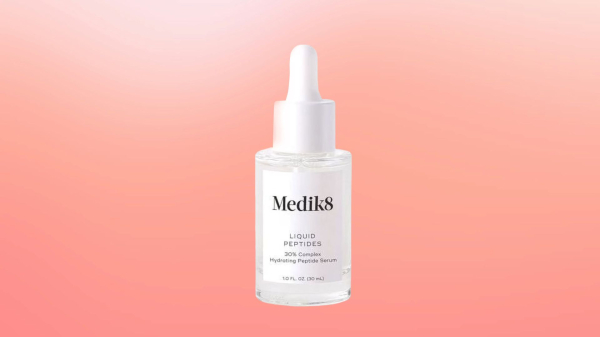

  • Medik8 Liquid Peptides Serum Review

    Medik8 Liquid Peptides Serum Review

    Image may contain Bottle Cosmetics Perfume and Lotion$68 at Medik8Save StorySave this storySave StorySave this story

    TL;DR:

    • What it is: A lightweight but potent peptide serum
    • What it does: Helps plumps up skin and smooths fine lines
    • Who it’s for: Anyone looking for a firming, wrinkle-reducing treatment

    Everyone is talking about peptides these days, but at Allure, we’ve been waxing poetic about the ingredient—used topically—for decades.

    Quick overview: Peptides, best known for boosting collagen production, are tiny chains of amino acids that act as messengers between skin cells, instructing them to hydrate and target skin elasticity. They don’t completely erase signs of aging, but they certainly help postpone the process.

    In this serum, there are more than a handful (!) of potent peptides (hexapeptide 8, copper palmitoyl heptapeptide-14, palmitoyl tripeptide-38, to name a few), along with plumping hyaluronic acid and moisture-locking glycerin, that work together to smooth out fine lines and wrinkles, as well as firm skin’s texture to give it a tighter, more lifted look.

    And although it sounds like something out of a dermatologist’s office, it’s actually quite gentle and super easy to add to your routine. After cleansing, I’ll smooth a few pumps onto my face and neck, making sure to work it into areas that need some extra peptide TLC (my forehead, especially). The lightweight, silky texture dries down fast, layers well under moisturizer (and sunscreen if applying in the morning), and doesn’t pill—the ultimate skin-care trifecta!

    Medik8 Liquid Peptides Serum is in the August Allure Beauty Box

    GET THE BOXMedik8 Liquid Peptides

    Medik8 Liquid Peptides

    $68 at Medik8$68 at Medik8

  • 9 Best Products for Melasma to Even Out Your Skin Tone

    9 Best Products for Melasma to Even Out Your Skin Tone

    A collage of products that treat melasma on a gray backgroundCollage: Jemeria Davison; Source images: Courtesy of brandsSave StorySave this storySave StorySave this story

    Melasma is one of the most common—and stubborn—forms of hyperpigmentation, which is why so many people are on the hunt for the best products for melasma. “Melasma is a pigmentary disorder that appears as lacy, reticulated brown patches,” says Corey L. Hartman, MD, a board-certified dermatologist in Birmingham, Alabama. These patchy brown spots tend to appear on the face (think: cheeks, upper lip, forehead), and while they’re completely normal and not harmful, it’s also understandable if you want to lighten the appearance of melasma, either with in-office treatments, skin-care products, or both.

    Often triggered by heat, sun, hormonal changes (melasma is frequently referred to as the “pregnancy mask”), or inflammation, melasma tends to stick around unless you take action. “Even hot yoga or a long run outdoors can trigger a flare-up,” says Sarah Sung, MD, a board-certified dermatologist in Seattle. “I tell patients to treat melasma like a chronic condition that can relapse—but with the right plan, you can stay ahead of it.”

    Top Products for Melasma

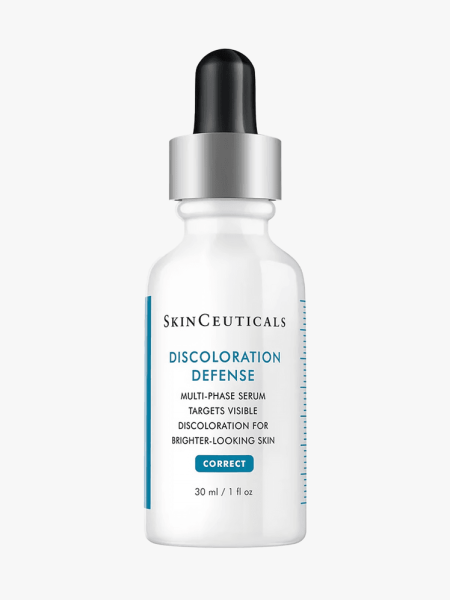
    • Best Overall: SkinCeuticals Discoloration Defense, $115
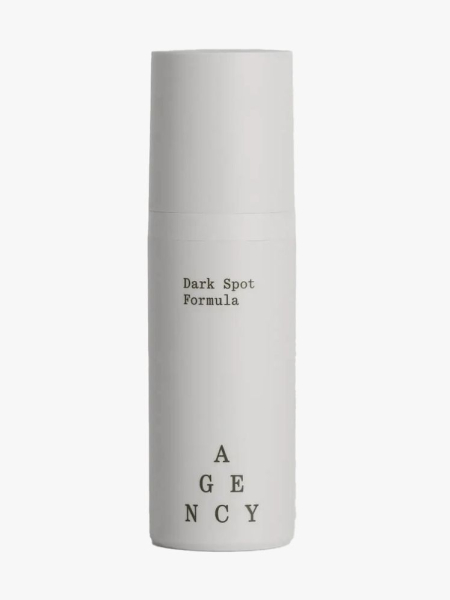
    • Best for Customizable Formulas: Agency by Curology Dark Spot Formula, $35
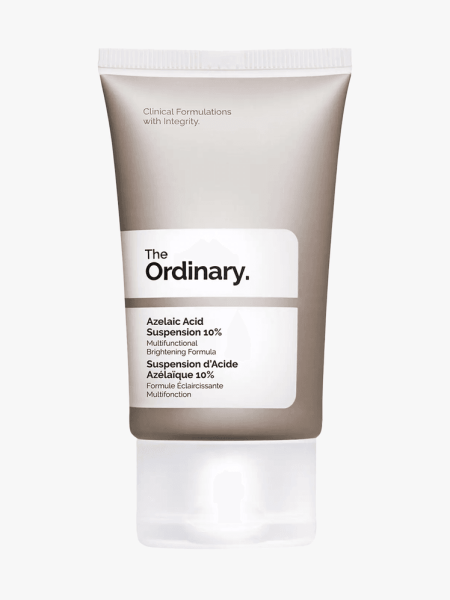
    • Best for Post-Pregnancy: The Ordinary Azelaic Acid Suspension 10% Cream, $12
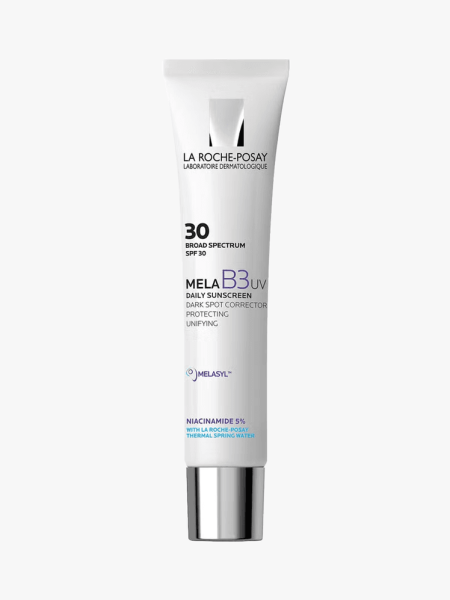
    • Best with SPF: La Roche-Posay Mela B3 UV Face Sunscreen SPF 30, $35

    The most effective routines tackle melasma on multiple fronts: fading pigment, calming inflammation, and gently exfoliating. And don’t forget broad-spectrum sunscreen: “While technically not a melasma treatment product, sunscreen is essential,” says Dr. Hartman. “Skin will likely be more susceptible to sun damage, which could create new melasma patches.” Ahead, the derm-approved products that do all that and more.

    Frequently Asked QuestionsAccordionItemContainerButtonLargeChevron

    • What is the most effective treatment for melasma?
    • How do you get rid of melasma ASAP?
    • Does melasma go away on its own?
    • Meet the experts
    • How we test and review products
    • Our staff and testers

    Best Overall: SkinCeuticals Discoloration Defense

    SkinCeuticals Discoloration Defense Serum in branded white bottle with silver and black pipette on light gray backgroundSave to wishlistSave to wishlist

    SkinCeuticals

    Discoloration Defense

    $115

    Skinceuticals

    $115

    Dermstore

    $115

    Bluemercury

    Why it’s worth it: SkinCeuticals Discoloration Defense is consistently lauded as the best option for discoloration by dermatologists, and for good reason: This lightweight, easy-to-layer serum is as hardworking as a prescription formula for fading melasma and other stubborn discoloration. It’s powered by 3% tranexamic acid, 1% kojic acid, 5% niacinamide, and 5% HEPES (also known as sulfonic acid) to gently exfoliate and visibly brighten skin over time.

    “Tranexamic acid and kojic acid are two active ingredients in the formula that target stubborn brown patches and inflammatory discoloration like melasma,” says Dr. Hartman, who adds that many of his patients have had success with this particular formula. Derms don’t just recommend this serum—they even use it themselves. “This is one of my favorite serums, and one that I use daily,” says Asmi Berry, DO, a board-certified dermatologist based in Los Angeles. “I love it as a non-hydroquinone option that works well for sensitive skin types.”

    More to know

    AccordionItemContainerButtonLargeChevron

    • Key ingredients: tranexamic acid, kojic acid, niacinamide, sulfonic acid
    • Fragrance-free: yes

    Best for Customizable Formulas: Agency by Curology Dark Spot Formula

    Agency by Curology Dark Spot Formula gray bottle on light gray backgroundSave to wishlistSave to wishlist

    Agency by Curology

    Dark Spot Formula

    $35

    Agency by Curology

    Why it’s worth it: Agency by Curology Dark Spot Formula is a personalized, prescription-strength treatment designed to fade everything from melasma to post-breakout discoloration without you ever stepping foot in a dermatologist’s office. As with Musely, after submitting a quick skin quiz and a few selfies, you’re matched with a licensed provider who prescribes a custom blend of four active ingredients, like azelaic acid, kojic acid, hydrocortisone, and hydroquinone, that are tailored to your skin’s specific needs. The last ingredient is a heavy hitter when treating dark spots—it’s known for helping slow down melanin production to visibly fade discoloration over time. Your formula ships every two months, making this one of the easiest ways to even out skin tone with the blessing of a derm. Agency may or may not include hydroquinone in your Dark Spot Formula, but if it does, it’ll only be for a few months at a time. (To prevent overuse, the brand cycles you on and off automatically.)

    More to know

    AccordionItemContainerButtonLargeChevron

    • Key ingredients: azelaic acid, kojic acid, hydrocortisone, hydroquinone
    • Fragrance-free: yes

    Best for Post-Pregnancy: The Ordinary Azelaic Acid Suspension 10% Cream

    The Ordinary Azelaic Acid Suspension 10% in tube with clear cap on light gray backgroundSave to wishlistSave to wishlist

    The Ordinary

    Azelaic Acid Suspension 10% Cream

    $12

    Amazon

    $12

    Nordstrom

    $12

    Ulta Beauty

    Why it’s worth it: If sensitive skin or hormonal shifts during pregnancy or postpartum have made potent brighteners a no-go, you’re in luck: The Ordinary’s Azelaic Acid Suspension 10% takes a gentler route to more even-looking skin. “Azelaic acid is one of my go-to ingredients when someone has melasma but can’t tolerate a super aggressive brightening routine like one with retinoids” says Mamina Turegano, MD, a board-certified dermatologist based in New Orleans. “Azelaic acid helps with excess pigment while also being anti-inflammatory, so I especially like it for someone who also deals with redness, acne, or easily irritated skin.”

    Here, it comes at a 10% concentration—a common over-the-counter strength that’s effective enough to deliver noticeable benefits (prescription-level azelaic acid can go up to 20%, FYI). The cream-like, silicone base gives the formula a silky, smoothing feel, while vitamin E provides antioxidant benefits. Best of all, the streamlined formula is fragrance-free, making it an especially great pick for sensitive skin.

    More to know

    AccordionItemContainerButtonLargeChevron

    • Key ingredients: 10% azelaic acid, silicones, vitamin E
    • Fragrance-free: yes

    Best with SPF: La Roche-Posay Mela B3 UV Face Sunscreen SPF 30

    La Roche-Posay Mela B3 UV Face Sunscreen SPF 30 in branded component on a light gray backgroundSave to wishlistSave to wishlist

    La Roche-Posay

    Mela B3 UV Face Sunscreen SPF 30

    $35

    Amazon

    $35

    Dermstore

    $37

    Ulta Beauty

    Why it’s worth it: Melasma treatments and sun protection should go hand-in-hand, since UV exposure can deepen existing patches and make them harder to fade. La Roche-Posay’s Mela B3 UV Face Sunscreen SPF 30 tackles discoloration from both ends by helping protect against the sun while addressing existing dark spots. Its star pairing is niacinamide and proprietary Melasyl. Unlike traditional brighteners that work by inhibiting melanin production, Melasyl prevents certain melanin-related compounds from forming dark spots, “helping reduce hyperpigmentation while preserving your skin’s natural pigment,” says Dr. Turegano. She also likes that Melasyl and niacinamide target persistent skin discoloration without relying on hydroquinone. “It also has hydrating ingredients like glycerin and shea butter to keep skin soft,” making this daily SPF an easy way to work both prevention and correction into one step, says Dr. Turegano.

    More to know

    AccordionItemContainerButtonLargeChevron

    • Key ingredients: Melasyl, niacinamide, shea butter, glycerin
    • Fragrance-free: no

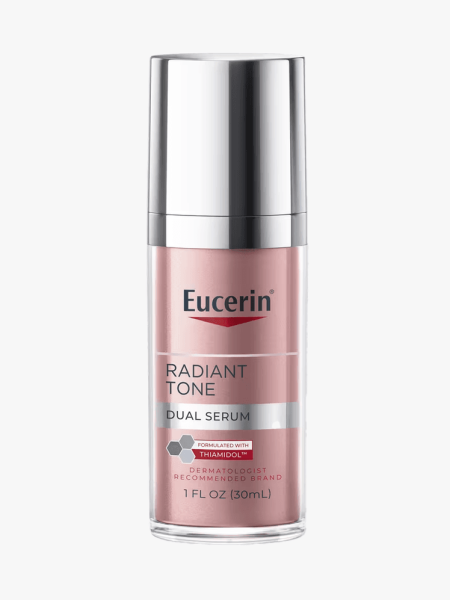
    Best Drugstore: Eucerin Radiant Tone Dual Serum

    Eucerin Radiant Tone Dual Serum in branded component on a light gray backgroundSave to wishlistSave to wishlist

    Eucerin

    Radiant Tone Dual Serum

    $45 $40 (11% off)

    Amazon

    $45

    Ulta Beauty

    Why it’s worth it: Many pigment-correcting treatments, particularly those with hydroquinone or retinoids, can make skin more sensitive to the sun, making them trickier to use during the summer—or if you live in a warm, sunny climate year-round. To skirt that, Eucerin’s Radiant Tone Dual Serum star ingredient is its proprietary Thiamidol, a tyrosinase inhibitor that reduces the production of excess melanin that contributes to dark spots. “Thiamidol is a powerhouse lightening ingredient that, unlike hydroquinone, can be used long-term,” says New York City-based board-certified dermatologist Jocelyn Gandelman, MD.

    It’s joined by sodium ascorbyl phosphate, a vitamin C derivative with antioxidant and brightening benefits, plus licorice root extract to further support a more even-looking complexion. With consistent use, the serum gradually fades the look of persistent discoloration while remaining surprisingly gentle on skin, says Dr. Gandelman.

    More to know

    AccordionItemContainerButtonLargeChevron

    • Key ingredients: Thiamidol, sodium ascorbyl phosphate, licorice root extract
    • Fragrance-free: yes

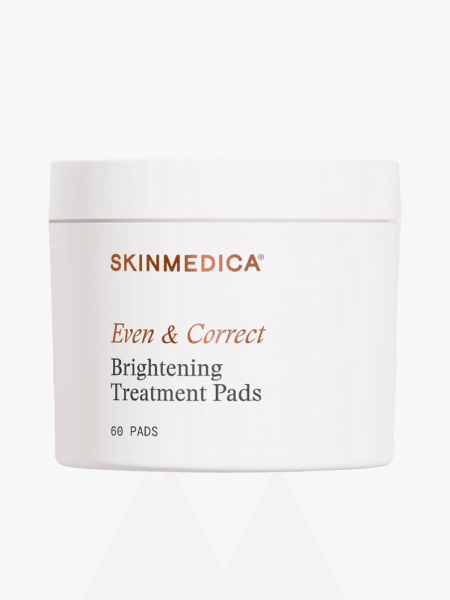
    Best for Uneven Texture: SkinMedica Even & Correct Brightening Treatment Pads

    SkinMedica Even & Correct Brightening Treatment Pads in branded tub component on a light gray backgroundSave to wishlistSave to wishlist

    SkinMedica

    Even & Correct Brightening Treatment Pads

    $60

    Amazon

    $60

    Dermstore

    $60

    Bluemercury

    Why it’s worth it: We love a good swipe-and-go moment with SkinMedica’s Even & Correct Brightening Treatment Pads. “These have been part of my personal morning skincare routine for years,” says Dr. Hartman. “I like how easy they are to use. Grab a pad and gently rub it all over your face after cleansing.” Each pad is infused with 10% glycolic acid for gentle exfoliation, tranexamic acid to target dark spots, and niacinamide to smooth and even tone. That subtle zing you feel when using these pads? That’s the witch hazel at work—a natural, alcohol-free astringent that helps tone down redness, calm blotchiness, and leave your skin looking more even and refreshed. Still, “they’re gentle enough for daily use and great for maintaining clear skin,” says Saami Khalifian, MD, a board-certified dermatologist in San Diego, California, who considers them the perfect follow-up for in-office treatments.

    More to know

    AccordionItemContainerButtonLargeChevron

    • Key ingredients: LTN complex, glycolic acid, witch hazel
    • Fragrance-free: yes

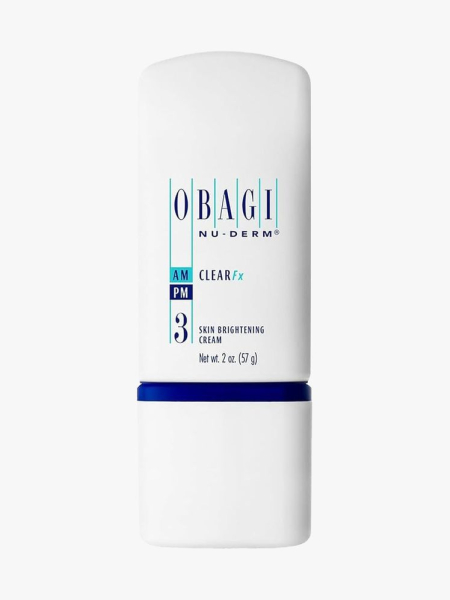
    Best for Sensitive Skin: Obagi Nu-Derm Clear Fx

    Obagi Nu-Derm Clear Fx  rounded white bottle on light gray backgroundSave to wishlistSave to wishlist

    Obagi

    Nu-Derm Clear Fx

    $125

    Amazon

    $125

    Dermstore

    $125

    Bluemercury

    Why it’s worth it: Obagi Nu-Derm Clear Fx is a gentle yet effective brightening cream that targets dark spots, uneven tone, and signs of sun damage. “For those who prefer non-prescription but want results close to an Rx, this brightening cream uses arbutin and antioxidants in a creamy base,” says Dr. Sung. Arbutin is a naturally derived ingredient that’s gentler than hydroquinone—it helps fade dark spots by blocking the enzyme that encourages melanin production in your skin. “It’s ideal for nighttime use and pairs beautifully with a prescription retinoid, making it a smart addition to your evening routine.” With consistent use, you’ll see brighter, more even-toned skin—delivering results that come impressively close to prescription strength.

    More to know

    AccordionItemContainerButtonLargeChevron

    • Key ingredients: arbutin, lactic acid
    • Fragrance-free: yes

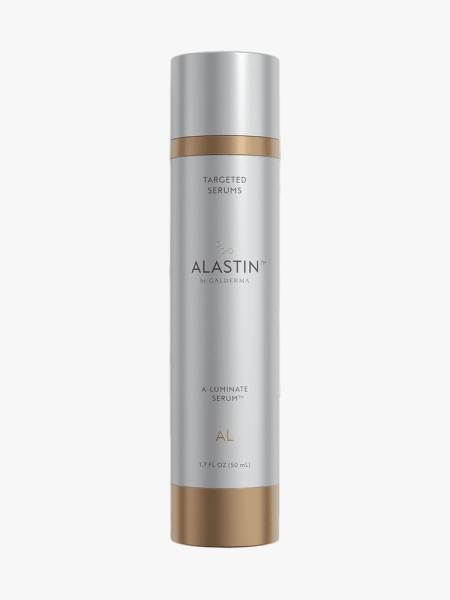
    Best for Mature Skin: Alastin Skincare A-Luminate Face Serum

    Alastin Skincare A-Luminate Face Serum in branded component on a light gray backgroundSave to wishlistSave to wishlist

    Alastin Skincare

    A-Luminate Face Serum

    $198

    Amazon

    Why it’s worth it: If you're looking for a product that not only helps fade melasma but also boosts your overall glow, Alastin Skincare A-Luminate Face Serum is worth a spot in your routine. “This is a newer addition to my practice, but it’s quickly becoming a patient favorite for treating pigmentation,” says Dr. Khalifian. “It’s packed with antioxidants and niacinamide, goes on smoothly, and doesn’t cause the irritation we sometimes see with more aggressive formulas.” The formula is anything but basic—it spotlights the brand’s proprietary PATH-3 Technology to help reduce the recurrence of surface pigmentation, plus tranexamic acid. Tranexamic acid blocks the signal between melanocytes (the cells that create pigment) and keratinocytes (the ones that tell them to get to work after sun exposure or inflammation) to target existing discoloration and improve skin tone over time.

    More to know

    AccordionItemContainerButtonLargeChevron

    • Key ingredients: path-3 technology, tranexamic acid, niacinamide
    • Fragrance-free: yes

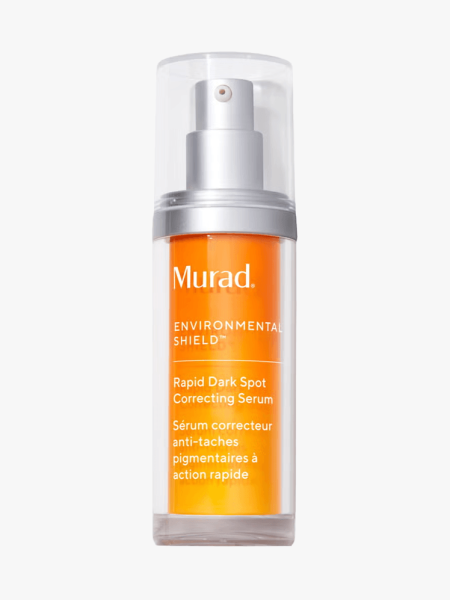
    Best Fast-Acting: Murad Rapid Dark Spot Correcting Serum

    Murad Rapid Dark Spot Correcting Serum in branded component on a light gray backgroundSave to wishlistSave to wishlist

    Murad

    Rapid Dark Spot Correcting Serum

    $88

    Amazon

    $88

    Dermstore

    $88

    Ulta Beauty

    Why it’s worth it: If speedy results are your vibe (and whose aren’t?), Murad Rapid Dark Spot Correcting Serum is worth the shot. This hydroquinone-free formula handles melasma, post-acne marks, and sun spots with a team of resorcinol, tranexamic acid, and glycolic acid. “It’s one of the more aggressive over-the-counter pigment correctors that still plays nice with sensitive skin,” says Dr. Sung. Together, these ingredients exfoliate, accelerate cell turnover to fade discoloration, and significantly brighten skin—fast. We’re talking visible results in just two weeks, which is pretty impressive for something for which you don’t need a prescription.

    More to know

    AccordionItemContainerButtonLargeChevron

    • Key ingredients: resorcinol, tranexamic acid, glycolic acid
    • Fragrance-free: no

    Frequently Asked Questions

    What is the most effective treatment for melasma?

    When it comes to treating melasma, there’s no one-size-fits-all approach. “Melasma is one of the most frustrating pigment conditions to treat because it isn’t just a skin-deep issue—it’s hormonally and heat-sensitive, and easily re-triggered,” says Dr. Sung. That’s why she emphasizes a thoughtful, layered strategy that uses different approaches. “A thoughtful layering of microneedling, a topical lightening agent, and antioxidant-rich aftercare helps the speed and sustainability of results,” she says. Oral tranexamic acid (delivered as a pill) is also an effective option for many.

    While laser therapy can help this skin condition in some cases, she notes that many laser or light devices (including red light therapy masks) can make melasma worse. “Microneedling can be excellent, especially when paired with PRP [platelet-rich plasma, which uses the patient’s own blood to boost healing, calm inflammation, and enhance results],” she says. “Chemical peels can work but must be carefully selected to avoid rebound pigmentation—I typically introduce peels later in the treatment plan, once the skin barrier is strong and daily SPF is a habit.”

    How do you get rid of melasma ASAP?

    There’s no one-step solution for melasma, but targeting it from multiple angles can deliver faster results. “The fastest results come when we approach melasma on four fronts: suppress melanocytes, exfoliate pigment, reduce inflammation, and block UV/heat triggers,” says Dr. Khalifian. That might look like a tailored routine of prescription topicals, gentle exfoliants, antioxidants, and consistent sunscreen use with SPF 30 or higher.

    Does melasma go away on its own?

    Melasma usually doesn’t go away on its own, and it can get worse without treatment. “At best, it may fade seasonally. At worst, it can deepen and spread, especially with sun, heat, or hormonal triggers,” says Dr. Khalifian. That’s why early intervention and long-term maintenance are key. While it won’t go away for good, melasma “can go into remission with diligent maintenance and symptom management,” she explains. Once visible pigment fades, Dr. Khalifian recommends shifting to a plan that includes “antioxidants, light peels, and occasional laser touch-ups—more about control than cure, similar to how you’d manage acne or rosacea,” he says.

    Meet the experts

    • Asmi Berry, DO, FAAD, a board-certified dermatologist based in Los Angeles
    • Jocelyn Gandelman, MD, a board-certified dermatologist at Schweiger Dermatology based in New York City
    • Corey L. Hartman, MD, a board-certified dermatologist and founder of Skin Wellness Dermatology based in Birmingham, AL
    • Saami Khalifian, MD, a board-certified dermatologist and founder of SOM Aesthetics in San Diego, CA
    • Sarah Sung, MD, FAAD, a board-certified dermatologist of The Perq based in Seattle

    How we test and review products

    When Allure tests a product, our editors look at it from every angle in an effort to best serve you. We review ingredients, scrutinize brand claims, and, when necessary, examine peer-reviewed scientific and medical studies. In addition to testing each and every product that's included in each and every review, we rely on experts who shape their fields, including dermatology, cosmetic chemistry, and medicine, to help us vet the ingredients and formulas.

    For our list of the best products for melasma, we considered each product's performance across five primary categories: product ingredients and efficacy, packaging, fragrance, texture, and product wear. Every product was determined to have excelled in each category by our editorial team, which is composed of in-house writers and editors as well as contributors—along with special consideration from dermatologists. To learn more information on our reporting and testing processes, read our complete reviews process and methodology page.

    Our staff and testers

    A beauty product is a personal purchase. You might be searching for a face cream to address persistent dryness or a new nail product to add to your Sunday self-care routine; you may simply be browsing around for the latest launches to hit the hair market. No matter what you seek or your individual needs and concerns, Allure wants to ensure that you love anything we recommend in our stories. We believe that having a diverse team of writers and editors—in addition to the wide range of outside testers and industry experts we regularly call upon—is essential to reaching that goal.

    After all, can we really say a skin-care product is the "best" for people over 50 if the only testers we've solicited opinions from folks who have yet to hit 30? Can we honestly deem a high-end diffuser worthy of your hard-earned cash if it's never been tested on curls? We're proud that our staff spans a wide range of ages, skin tones, hair textures, genders, and backgrounds, which means that we are able to fairly assess any beauty product that comes into the beauty closet.
  • Why Natural Hair Influencers Are Suddenly Embracing Redken, Amika, and Other Salon Brands

    Why Natural Hair Influencers Are Suddenly Embracing Redken, Amika, and Other Salon Brands

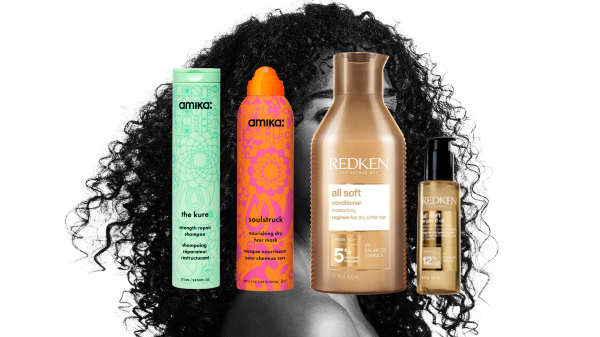
    black and white image of a black woman with curly hair overlayed with products from amika and redkenPhotos: Courtesy of brand; Getty ImagesSave StorySave this storySave StorySave this story

    There's a shift happening online. My social feeds have always been filled with Black women doing their hair; sharing the best mousses for a twist-out, the scalp sprays they use between braiding appointments, and whatever hair growth miracle is doing the rounds. But lately, the products being raved about have been different compared to the last two decades of recommendations. Black women are posting about "life-changing" results they’ve gotten from brands I wouldn’t usually associate with being the best option for our hair type.

    In one video, creator Deborah Wanjala advocates for the viral Abbey Yung hair method, displaying her years-in-the-making product arsenal packed with Amika, Living Proof, K18, and Redken alongside drugstore brands like Dove and Pantene. @not3shaunie also endorses Yung—a white creator with long, straight hair who continues to go viral for her guides to reversing hair damage—despite getting backlash for citing a creator who doesn’t look like her. Shaunie has multiple videos explaining how heavier curl creams and custards “sit on top of” her fine, low-density hair, causing it to “look lifeless and even thinner” compared to lighter serums like the ones Yung recommends. “I HATE how good these products work,” begins one caption of a photo with Redken and Ouai products in the r/Naturalhair subreddit. There are over 600 upvotes on the post, and the majority of comments are in agreement.

    It’s not just my algorithm. Type “Black hair” or “curly hair” plus just about any salon brand into TikTok, Reddit, or YouTube, and you’ll be met with countless testimonies about how Redken, Amika, Matrix, Olaplex, and K18 have transformed someone’s textured strands. It’s a conversation that’s been resurfacing steadily in the past year within my own work and social circles. Many women I’ve spoken to are mixing and matching brands to build multiple ideal product lineups they can deploy depending on their styling needs for that week. “When my hair needs real care and nourishment, I opt for Cécred, plus beauty shop staple Silicon Mix,” Natalie Tuffuoh, a straight natural working in fashion, tells me. “But when I need a sleek blowout that’s guaranteed to last, I will always reach for an Amika, Kenra, or IGK product—and Cécred again.” She’s also a fan of ColorWow’s Extra-Strength Dreamcoat for maintaining straight styles between washdays.

    And although it’s mostly straight naturals lauding the Amikas of the world, some curly and coily girls who wear their hair natural have been incorporating more of these types of brands into their wash ’n' go, twist-out, and diffusing routines. “Once I started treating my hair like it’s hair—and not like it’s curly—my hair started growing,” testifies Amsterdam-based creator @5sabrine in a video about why she stopped using products that are “only made for curly hair.” It’s just one in her ongoing series of “fine, curly hair routine” videos, which has racked up over a million views.

    The last two to three years have seen countless creators document their discovery that hair density and thickness can matter just as much as texture when it comes to finding products that work for them. One is creator @yapahcurls, who labels herself as “your fine hair bestie.” She advocates for a wider understanding that fine-haired naturals can’t always follow the advice of those with thicker, denser hair like Whitney White (aka @naptural85), arguably the biggest hair influencer in the history of the natural hair movement. Yapah Curls’s product recommendation videos include a mix of brands primarily marketed toward Black customers, like The Doux, and offerings from Eva NYC, Garnier, and L’Oréal Paris. Yar Sudani, a hugely popular natural hair influencer with over 2.4M followers across TikTok, Instagram, and YouTube, also uses a mixture of brands in her popular Wash Day Diary series. Sometimes it’s mostly salon brands—like Olaplex, K18, Bumble and Bumble, and Innersense—but other times she’ll do a routine filled with products from Black-focused brands, like Pattern Beauty, Mizani, and Carol’s Daughter.

    So why are women with natural hair shifting their routines toward so-called mainstream brands after years of advocating for brands custom-made for Black hair? The general perception (fair or not) is that the brands that have historically marketed toward Black consumers are typically more “natural” and offer top-notch moisturization; these other brands provide formulas that yield salon-quality results at home. It makes sense that the latter category is often reserved for styles that involve heat, like silk presses, blowouts, or diffuser-dried curls, but these brands are also making an appearance in air-dried styles on mostly fine coils, curls, and waves that might need lighter formulas.

    The Birth of Products for Black Hair

    From its inception around the turn of the 20th century, commercial Black hair care has been a response to the lack of options on mainstream beauty shelves. For much of that history, many of the products were focused on getting coily hair straighter and keeping it that way for longer. But more recently, the message was all about being au naturale—and that included the formulas.

    “Black-tailored brands took a natural approach for much of the past two decades, focusing on using natural oils and butters and sulfate- or silicone-free products in contrast to the Black-focused brands of the 20th century, like Lustre Pink or Soft Sheen,” says cosmetic scientist Javon Ford. Cosmetic scientist AJ Addae of Sula Labs agrees. “This focus on claims around being clean and botanical-based was the result of mistrust around chemicals,” she says, pointing to moments throughout history where the medical and cosmetics industries have used Black patients as unwitting test subjects. Retin-A, for example, was invented after a doctor conducted dermatological experiments on Holmesburg Prison inmates, most of whom were Black men. In the last two decades, the public has become more widely aware of the risks of traditional lye-based relaxers, like scalp burns, carcinogen absorption, and exposure to endocrine-disrupting chemicals linked to a doubled rate of reproductive cancers and fibroids—which already disproportionately affect Black women.

    Around the same time, sulfates and silicones, two synthetic ingredients, fell rapidly out of favor across hair types as they garnered bad reputations for stripping the hair and causing build-up, respectively. Black beauty consumers started going back to the natural ingredients their grandmothers might have used, Addae says. Alternatives like cleansing apple cider vinegar, mayo hair masks, and plant-based oils started rising in popularity, both as DIY remedies and ingredients brands marketed toward Black hair would advertise.

    A New Interest in Customers With Curly Hair

    That natural messaging worked for a long time—and still does, for some consumers. But then, the clean movement at large hit a few mold-covered stumbling blocks. Around the same time, the general public started to get more comfortable openly criticizing hair brands that didn’t sell products that worked for all hair types and textures. In some cases, this meant massive beauty conglomerates like Unilever and Procter & Gamble acquired the most successful natural-focused, often Black-owned indie brands. In other cases (or, often, in tandem), mainstream brands with budgets beyond the wildest dreams of the indies were pouring cash into R&D for curl-focused products for the first time.

    In 2024, 10 years after the brand first launched, Olaplex came out with its Bond Shaping Technology line made specifically for curly hair types. Amika launched its Power Hour Curl Refreshing Hair Spray in 2021, bringing its curl-specific line up to three SKUs. The brand's Hydro Rush line (launched in 2023) gets lots of love from natural hair influencers for fulfilling their hair’s hydration needs without weighing it down. The Hydro Rush products are often used in tandem with Amika’s repairing The Kure collection. When K18 launched in 2020 with a shiny, new, patented technology to compete with Olaplex, it amplified the appetite for bond repair without explicitly saying which hair type its products catered to. Most of the brand’s launch campaigns have featured a range of straight, wavy, curly, and coily types; in 2024, its AirWash Dry Shampoo launch campaign included a model with braids.

    Now, Black women suddenly have more product options, and the fine, curly hair set realized that these brands with decades of experience prioritizing their white counterparts might actually have formulas that were better suited for their hair texture. Independently, many people who had tried embracing their natural texture felt empowered to go back to wearing straight styles at least some of the time. Both groups seem to be driving this rediscovered enthusiasm for salon brands.

    The Bond Repair of It All

    These larger, better-funded brands are also generally able to move faster when it comes to developing and releasing new technology, including those that have a lot of benefits for curly and coily textures. Take bond repair, which came up over and over in interviews for this story. Since Olaplex started selling a version of its in-salon bond-repair treatment directly to consumers in 2018, the ubiquity of bond repair has been steadily climbing to the point where even those without hair damage think it’s a routine imperative. The impact of this technology on my damaged textured hair was my first introduction to using a brand that wasn’t necessarily marketed toward my hair type or even tighter textures at that time, even though it’s a category of product that we could especially benefit from.

    “Curly and coily hair types have a more complex structure that affects how the fiber responds to tension,” hairstylist and Olaplex ambassador Naeemah LaFond explains. “The bends and coils create uneven stress distribution along the strand, which can make the hair more susceptible to breakage and moisture loss without proper care. When the disulfide bonds that hold the hair fibers together are disrupted through chemical services or repeated heat styling, the hair’s resilience can be noticeably diminished.” This is validated by cosmetic chemist Addae: “These are the exact chemical interactions that we have to take into consideration when formulating for textured hair,” she explains.

    As of this writing, I could find only three bond repair ranges from brands that prioritize curly and coily hair: Shea Moisture, Curlsmith (Bond Rehab), and Black-owned and -founded As I Am, which has an affordable six-product Bond Repair lineup that often gets overlooked in bond technology round-ups. “It was only a matter of time before many Black women decided to give general hair products a try to address their specific needs,” Ford says.

    Sulfates and Silicones Are Back on Everyone's Good Side

    While certainly not brand-new innovations, sulfates and silicones are having their own comeback moment—and many so-called mainstream hair brands never fully abandoned them in the first place.

    “Sulfates are fantastic cleansing ingredients and can be easily made into gentle and hydrating shampoos,” explains cosmetic chemist Julian Sass. Black women are reporting stronger strands that move with more spring and lightness, plus less build-up and subsequent breakage, when they stop using natural oils and greases as stylers or moisture sealers in favor of silicone-based serums and gloss treatments. “Silicones get a bad reputation for buildup, but at the right concentrations they provide slip, reduce friction, and make detangling significantly easier, which is a health benefit for tightly coiled textures,” says Addae. “Ultimately, understand your hair's needs rather than following a blanket rule about ingredients. If you're leaving out silicones and sulfates but not properly following a healthy hair and scalp styling routine, then you don't win at all.”

    It makes sense that Black women are particularly invested in finding formulas that provide professional-grade results at home. We’ve often had to become hair scholars and do our own research when brands haven’t seemed interested in making products for our hair texture. In today’s post-natural hair movement landscape (or, as some would argue, the age of a new natural hair movement), there are more variations than ever on what it means to have Black hair. Straight hair naturals, wash ’n' go warriors, heat-trained hair, those who have returned to relaxer (as long as it’s lye-free, or a smoothing treatment alternative), it seems that every camp has its newfound holy grails colliding at a point in time where we’ve reached peak beauty creation and consumption.

    And yes, there are Black hair-care brands launching exciting new technology too, Ford is quick to clarify. “Innovation happens on both sides,” he says. “Carol’s Daughter released a minoxidil hair serum a while ago. It’s the first Black brand I know of to do that while the others all have natural oil-focused hair growth oils.”

    Jay-Ann Lopez, a member of the gaming industry who experiments with her hair in daily life and for social content, is okay with that corner of the industry moving a little more slowly. “The fact that Black brands haven’t been at the forefront of certain technologies might be a good thing,” she says. “Now, they can study other brands to strengthen their position in the market, then bring cultural and social capital to the sector—something Cécred is already doing so well.”

    The Brands Working Harder Behind the Scenes

    Black customers spend billions on hair care every year. And yet, the effect of our spending tends to just create ripples in representation when it ought to move mountains. However, all of the evidence above does seem to show that brands may finally be listening, especially those that have put Black women at the helm.

    Recent appointments of prominent Black and mixed race hair professionals to key roles at brands have signaled some change at more of a visible topline level. The fashion industry's favorite hairstylist, Jawara, who was previously global ambassador for Dyson Beauty (which has continued to release new attachments for its cult Airwrap, making it compatible with 19 hair types, plus a dedicated Airwrap Coanda 2X for curls and coils), is now global creative director at L’Oréal Professionnel (which, in addition to launching more curl-focused products, has initiatives focused on equipping stylists at L’Oréal partner salons with specialized technical training for working with hair of all curl types), a role also held at the brand by hairstylist Cyndia Harvey. On the formulation side, Amika appointed chemist Cicely Shillingford, PhD, as assistant vice president of product development, innovation, and regulatory, 18 months after she joined the brand as director of product development in 2023. There’s also LaFond, who was the national education manager and global artistic director at Amika from 2013 to 2023 before becoming the global brand ambassador for both Olaplex and Shark Beauty.

    “Amika was a young, ambitious brand willing to be challenged, and I’m proud to have helped write that into its DNA,” LaFond tells Allure (Amika launched in 2007, six years before LaFond joined). “We were practicing inclusion years before it became an industry talking point, and that wasn’t an accident or a rebrand; it was structural.” She recalls having “real decision-making power,” including the ability to push back on marketing or a casting choice before products hit shelves.

    She feels her role at Olaplex is similarly impactful. “At Olaplex, I’m being pulled into formulation conversations directly with scientists, not consulted after the fact but present while the science is still being decided,” LaFond says. “It’s the kind of access most brands don’t extend to artists at all. It’s a model the rest of the industry should be paying attention to, and what both experiences taught me is that inclusion is a chain, not a single decision. It starts in the lab, but it has to survive contact with marketing, with casting, with the words on the packaging. Break that chain anywhere, and the whole promise collapses.”

    Many of the brands that Black customers are flocking back to seem to be actively working on representation within the cogs of education, marketing, product development, and research, rather than relying on model diversity and celebrity spokespeople to merely signal diversity—a common practice at the beginning of the natural hair movement. K18 conducts research programs to study the biology of curls and coils, analyzing factors like fragility and moisture retention. L’Oréal, the parent company of Redken and Kérastase, developed a curl classification system from a study across 22 countries, studying curl radius, shrinkage ratio, and the number of twists on a hair fiber. The company used this to develop Redken’s Acidic Bonding Curls line in 2024. The original Acidic Bonding Concentrate line, which included a mask and leave-in and pre-shampoo treatments, went viral several times over for repairing heat and chemical damage in textured hair. However, the All Soft range, which has been around since 2003, is arguably the collection that switched many Black women over to experimenting with salon-grade products. The brand launched an All Soft Curls range in 2023, and both lines appear to be about equal in popularity among this demographic.

    Some of the brand representatives I spoke with confirmed the companies they work for are swerving away from “segmentation” and toward the “for multiple hair types” track. “Rather than creating one-off initiatives, the focus has been on making sure textured hair is consistently represented,” explains Nilofer Vahora, Amika’s chief marketing officer. “The goal has always been to build a brand where textured hair is part of the foundation, not an afterthought or a segment.” Amika serves as an interesting case study, launching ranges for different hair types from the moment of its initial launch, rather than adding an Afro or curly line retroactively. Amika, originally a styling-tool brand, first expanded into hair care with what went on to become the Soulfood Nourishing Mask, a leave-in cream for coily hair and other types, an oil treatment, heat protectant cream, plus general shampoo and conditioner. The brand’s universal approach has paid off big time in terms of marketing and brand image. Amika tells me that it over-indexes with coily hair consumers at 1.9 times the category average and 1.4 times with Black hair professionals.

    “As a curly natural and mixed race individual myself, I fundamentally understand the unique biology and structure of textured hair, as well as what the hair needs for protection, styling, and care,” Dr. Shillingford tells me. In her role at Amika, she ensures product development is based on the differing needs of different hair types—both what’s considered scientific fact and what consumers are telling her they need.

    How to Keep a Balance Moving Forward

    In 2026, putting products into two categories—“Black hair care” and “non-Black hair care”—just sounds outdated. “The separation has made a lot of people assume that only someone of color can use a Black hair-care product and only someone who's not of color can use a white hair-care product,” says Brandy Welch, a pharmacist who creates educational hair content. “I think people can actually benefit on both sides if we didn't have such firm distinctions between what's Black hair care and what's not Black hair care.”

    As more Black women are buying brands made for their texture, rather than for their ethnicity, they are, in fact, seeing benefits—myself included. While we’re all excited to have found unexpected products that work for our hair, some people are wary that this conversation could spell bad news for Black-owned brands, which are already dealing with a decline in sales and investments.

    The ideal sentiment moving forward is clear: Stay open-minded across categories while understanding how best to support not only brands made for natural hair, but also Black-owned brands, now more than ever before. “Our hair-care products can be highly effective for various ethnic groups, and such customers may overlook the opportunity to try the amazing hair-care products that Black-owned brands can develop,” Addae says. Funding for operations and research has always been harder for Black-owned brands: In 2024, these companies received only up to 0.4% of total US venture capital dollars. “We live under a prejudiced system, and this unfair phenomenon largely impacts them in a unique way," Addae says, suggesting that retailers should also reconsider how their aisles are organized. “Retailers, for example, can improve on supporting Black-owned hair-care brands and communicate their strengths to broad audiences. The global beauty industry does this really well, for example, with Korean beauty.”

    Ultimately, when it comes to certain product categories—deep-conditioning treatments, moisturizing leave-ins, and styling heroes like gels and mousse—Black hair care has it covered. “On the other hand, I think there is a lot of value and power in growing the market share of products specifically designed for coily hair textures,” Addae says. “It truly does help Black consumers to have that shelf that serves kinky/curly textures, and I think more diverse products should be on this shelf. But ultimately, we built this house!”

  • How to Get a Flawless Slicked-Back Bun—With Photos and Videos

    How to Get a Flawless Slicked-Back Bun—With Photos and Videos

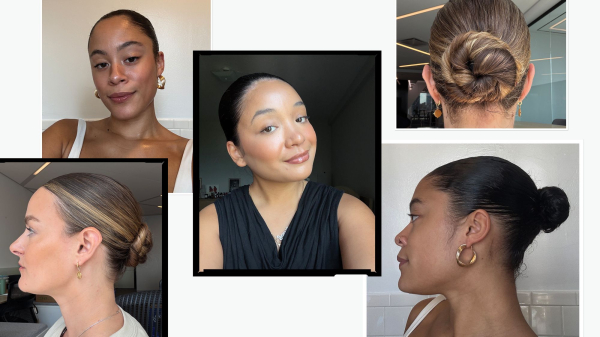
    Allure Editors in slickedback bunsSave StorySave this storySave StorySave this story

    A slicked-back bun looks simple. In theory, you create one by just pulling your hair back and twisting it into a knot. Voilà: instant model-off-duty elegance, right?

    In reality, you’re standing in front of a mirror a half hour after you were supposed to be out the door with a mysterious bump and countless flyaways. The entire point of the style is for every strand to look intentionally (and impossibly) in place, which can make achieving it feel like a test of both patience and upper-body strength.

    Despite the frustrations that come with creating one, a truly sleek bun doesn't require growing a third arm and relentless yanking of your strands. The right styling products and tools from prep to finish will do most of the work. We spoke with hairstylists and Allure editors who regularly wear their hair in the updo about what makes the difference between a smooth, polished bun and a messy, uncooperative lump. Ahead, they break down exactly which products to use at each step, with tips tailored to different hair types.

    Meet the experts

    • Taylor Carter is a hairstylist based in Boston.
    • Justine Marjan is a hairstylist based in Los Angeles.
    • Chris Russell is a hairstylist based in Los Angeles.
    • Mandee Tauber is a hairstylist and principal artist of global content at Oribe.
    • Kee Taylor is a hairstylist based in Philadelphia.

    Prep

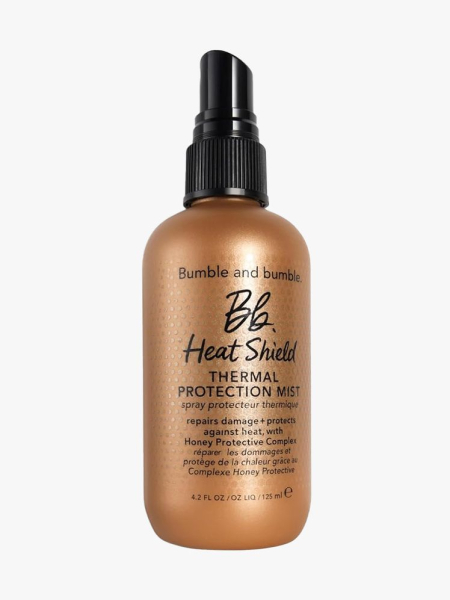
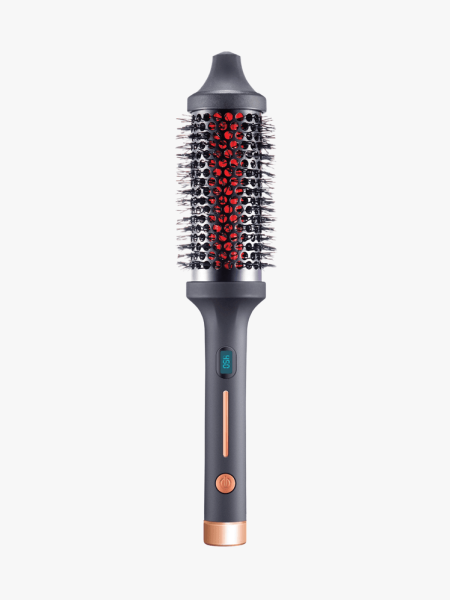
    To get the best results, you can’t just jump into yoinking back your strands. If you prioritize the prep process and tailor it to your hair type, you can help ensure a smoother experience with less damage. Hairstylist Chris Russell recommends first spritzing your strands with a heat-protectant spray, then rough-drying your hair. (The Bumble and Bumble Heat Shield Thermal Protection Hair Mist is one of our favorites for reducing frizz and defending against breakage.) Then he suggests running a thermal brush (like the Sutra IR Infrared Thermal Brush) through your hair, saying it helps ensure “even texture, controlled shine, and a seamless finish before pulling your hair back.”

    Bumble and bumble Heat Shield Thermal Protection Hair Mist gold spray bottle on light gray backgroundSave to wishlistSave to wishlist

    Bumble and Bumble

    Heat Shield Thermal Protection Hair Mist

    $36

    Amazon

    $36

    Ulta Beauty

    $36

    Sephora

    Sutra IR Infrared Thermal Brush in branded component on a light gray backgroundSave to wishlistSave to wishlist

    Sutra Beauty

    IR Infrared Thermal Brush

    $110

    Amazon

    $110

    Nordstrom

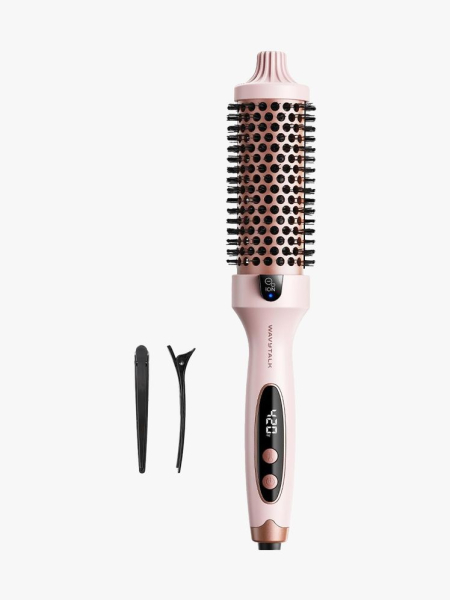
    Our resident slicked-back-bun pros and Allure editors don’t all reach for a hot tool after drying their hair. Allure content director Sophie Panych, whose hair is naturally fine and straight, will occasionally touch things up with a flat iron. Social media manager Bianca Richards, who blew out her thick, naturally wavy hair before creating her slicked-back bun, says she reaches for the Wavytalk Thermal Brush for added sleekness. Commerce production assistant Hailey Roy, who has 3C curls, actually skips a hot tool altogether. “I’ve always done slicked-back buns with my natural hair,” she says, adding that she tries her best to keep her strands away from heat.

    Content director Sophie Panych creates her middle part

    Social media manager Bianca Richards smooths her hair with a thermal brush

    Commerce production assistant Hailey Roy massages hair oil into her curls

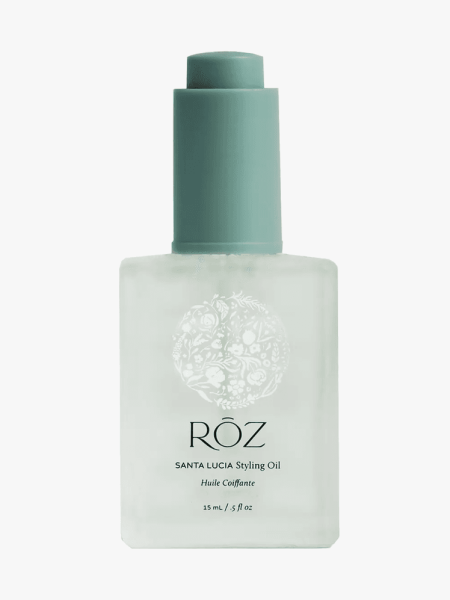
    If your hair is feeling dry, hairstylist Kee Taylor recommends smoothing a lightweight oil through the midlengths and ends to improve manageability and shine. “A little goes a long way, especially on finer hair,” she says. (Roy likes to go in with Rōz Santa Lucia Heat Protectant Styling Hair Oil to lock out humidity and add shine.) Hairstylist Justine Marjan also suggests keeping curly-coily hair slightly wet with water to help with detangling and pulling it back with a wide-tooth comb.

    Wavytalk Thermal Brush in branded components on a light gray backgroundSave to wishlistSave to wishlist

    Wavytalk

    Thermal Brush

    $69 $50 (28% off)

    Amazon

    $59

    Ulta Beauty

    Rōz Santa Lucia Heat Protectant Styling Hair Oil in branded component on a light gray backgroundSave to wishlistSave to wishlist

    RŌZ

    Santa Lucia Heat Protectant Styling Hair Oil

    $45

    Amazon

    $45

    Nordstrom

    $45

    Sephora

    Pull your hair back

    Panych uses two types of brushes to pull back her hair

    Richards uses a comb and brush to pull back her hair

    Roy separates her hair into two sections with a comb before pulling it back

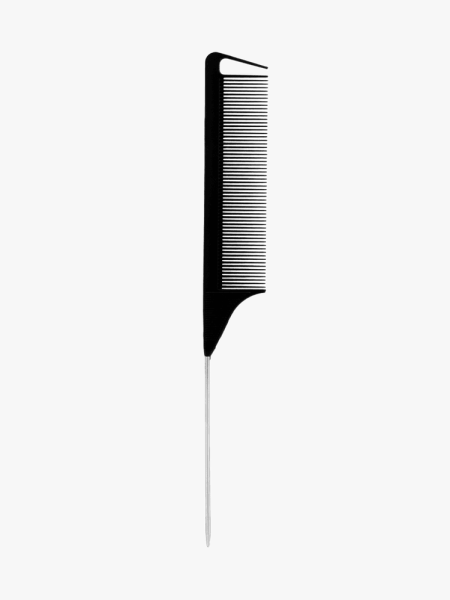
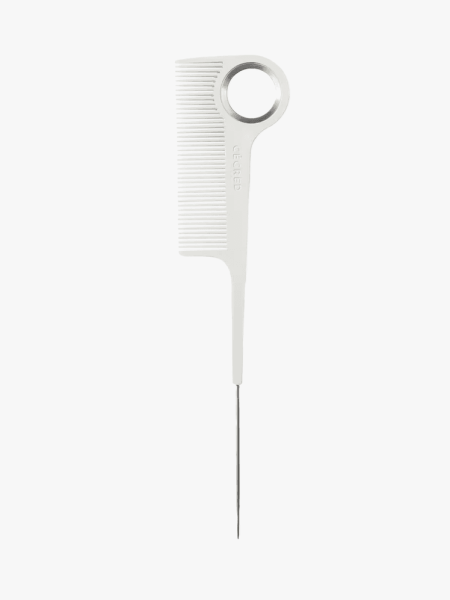
    Ask any of the stylists for the biggest mistake people make when creating a slicked-back bun, and you’ll hear the same answer: trying to brush everything back in one pass. Instead, they recommend building the style section by section. How you do so is up to you, but hairstylist Mandee Tauber has a few tips: She suggests starting by creating a radial part from the crown of your head to the tops of the ears, dividing the hair into a top and bottom section, before styling the bottom first while the top remains clipped up. Roy finds that the pointed end of the Donna Professional Parting Pin Tail Comb makes it easy to create even sections.

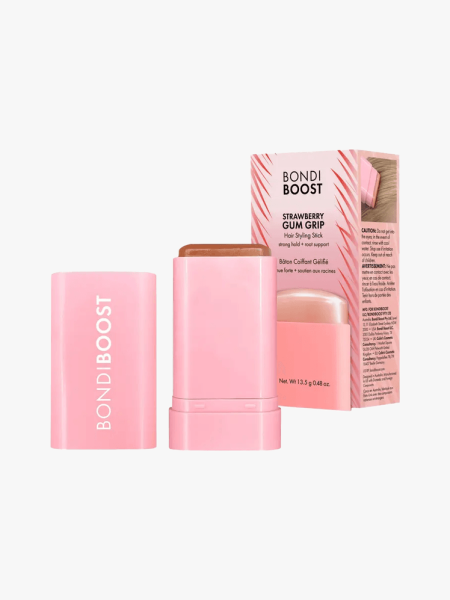
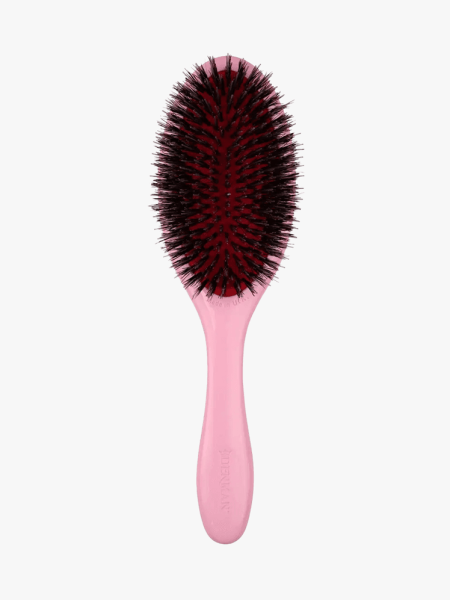
    On straight or straightened hair, Tauber applies a pomade stick (we love BondiBoost Strawberry Gum Grip Styling Stick for its ability to create hold without flakiness) directly along the hairline before using a boar bristle brush (like the Denman D81M Style & Shine Hair Brush), focusing on “condensing and refining” the hair with long, controlled strokes. “Boar bristles create the tension needed to stretch and smooth the strands,” Taylor explains.

    Donna Professional Parting Pin Tail Comb in branded component on a light gray backgroundSave to wishlistSave to wishlist

    Donna

    Professional Parting Pin Tail Comb

    $6

    Amazon

    BondiBoost Strawberry Gum Grip Styling Stick in branded components on a light gray backgroundSave to wishlistSave to wishlist

    BondiBoost

    Strawberry Gum Grip Styling Stick

    $25

    Nordstrom

    $25

    Ulta Beauty

    $25

    Sephora

    Denman D81M Style & Shine Hair Brush in branded component on a light gray backgroundSave to wishlistSave to wishlist

    Denman

    D81M Style & Shine Hair Brush

    $33

    Amazon

    $33

    Nordstrom

    $33

    Ulta Beauty

    Richards uses a comb and a brush—the Cécred Parting Tail Comb and La Bonne Brosse N.01 The Universal Brush—to ensure nothing pokes out. Once the first section is smooth, she secures it into a small ponytail with an elastic before releasing the top section and repeating the process.

    Cécred Parting Tail Comb in branded component on a light gray backgroundSave to wishlistSave to wishlist

    Cécred

    Parting Tail Comb

    $19

    Ulta Beauty

    hair brush in pink and black color way on light gray background with red and white 2024 allure best of beauty sealSave to wishlistSave to wishlist

    La Bonne Brosse

    N.01 The Universal Brush

    $198

    Nordstrom

    $198

    Revolve

    For curly and coily hair, Taylor advises working in even smaller sections, “smoothing each one individually before gathering everything together. This helps preserve control without overworking the hair.” Instead of a pomade stick, Tauber recommends using Oribe Gel Sérum on coils, applying a generous amount around the hairline before smoothing it back with a boar bristle brush. If additional hold is needed, Marjan recommends spraying Paul Mitchell Firm Hold Super Clean Extra Hairspray on the roots and brushing back before wrapping a second elastic around everything.

    Oribe Gel Sérum in branded tube component on a light gray backgroundSave to wishlistSave to wishlist

    Oribe

    Gel Sérum

    $63

    Amazon

    $63

    Nordstrom

    $63

    Bluemercury

    Paul Mitchell Firm Hold Super Clean Extra Hairspray in branded component on a light gray backgroundSave to wishlistSave to wishlist

    Paul Mitchell

    Firm Hold Super Clean Extra Hairspray

    $24

    Amazon

    $24

    Ulta Beauty

    $24

    Sephora

    That may seem like a lot of product, but it’s actually the healthier approach, according to Taylor. “The key is to let the brush and styling product do most of the work rather than pulling excessively tight,” she says. That way, you avoid unnecessary stress on the scalp.

    Russell likes to position the ponytail at the crown with the direction of the hair running parallel to the cheekbones. He says the higher placement creates a natural lifting effect and gives the face “a more sculpted, snatched appearance.” That said, a slicked-back bun works both high and low, so placement is a matter of personal preference.

    Make adjustments

    Richards uses hair oil to smooth her ponytail

    Before turning the ponytail into a bun, hairstylist Taylor Carter recommends preparing it for volume. She dusts texturizing powder (we’re fans of IGK Beach Club Texture Powder because it disappears into hair while encouraging oomph) throughout the ponytail before teasing small sections individually. Once the interior has enough fullness, she lightly smooths only the outside layer and finishes with Color Wow Pop & Lock Serum. Richards loves E.L.F. Gloss Mode Treatment Oil for giving hair that extra-gleaming look. The technique creates extra grip while maintaining a shiny exterior and preventing the bun from looking flat.

    If you’re after a more compact bun, Tauber suggests that those of you with straighter hair brush your chosen wax or gel stick through the length of the ponytail. On curly or coily hair, she says to lightly mist the ponytail with water before applying a hair gel. (We like Odele Flex Hair Gel for its ability to keep hair sculpted without getting rock-hard.)

    IGK Beach Club Texture Powder in branded component on a light gray backgroundSave to wishlistSave to wishlist

    IGK

    Beach Club Texture Powder

    $26

    Amazon

    Color Wow Pop & Lock Serum in branded component on a light gray backgroundSave to wishlistSave to wishlist

    COLOR WOW

    Pop & Lock Serum

    $24

    Amazon

    $24

    Ulta Beauty

    $24

    Sephora

    E.L.F. Cosmetics Gloss Mode Treatment Oil in branded component on a light gray backgroundSave to wishlistSave to wishlist

    E.L.F. Cosmetics

    Gloss Mode Treatment Oil

    $10

    E.l.f. Cosmetics

    Odele Flex Hair Gel in branded component on a light gray backgroundSave to wishlistSave to wishlist

    Odele

    Odele Flex Hair Gel

    $12

    Amazon

    $12

    Ulta Beauty

    This is the time to make tweaks. “Detailing the hairline is what takes a sleek bun from good to great,” he says. Before twisting your ponytail into a bun, he says to use a flat iron to refine the hairline before perfecting baby hairs with a toothbrush-like detailing tool. The Tymo Flaight Holo iron and the Dae Dual-Edge Styling Brush make a winning team for this—the iron fights frizz without tugging, while the synthetic boar-like bristles of the teensy-tiny brush erase flyaways.

    Tymo Flaight Holo in branded component on a light gray backgroundSave to wishlistSave to wishlist

    Tymo

    Flaight Holo

    $130

    Ulta Beauty

    DAE Dual-Edge Styling Brush in branded component on a light gray backgroundSave to wishlistSave to wishlist

    Dae

    Dual-Edge Styling Brush

    $14

    Amazon

    Wrap and secure your bun

    Richards secures her bun with an elastic

    Roy twists her ponytail into a bun and secures it with an elastic

    Although every stylist we spoke with twists the ponytail before wrapping it into a bun, the way they build and secure that bun varies depending on hair texture and the end result they’re after.

    Tauber twists the entire ponytail into one tight rope before wrapping it around the base. On straighter hair, she tucks the ends underneath and secures the bun with a large U-pin, weaving it through the outer edge of the bun, into the base, and back through the bun so it provides support while remaining virtually invisible. For curly and coily hair, she skips the U-pin, wrapping a large elastic around the completed bun instead.

    Panych, who has a background in dance and years of creating ballerina buns under her belt, takes what she considers a more streamlined approach to creating the bun: Instead of separating her hair into two ponytails, she splits a single ponytail into two parts. "In ballet, you don't want this big, knob-like donut thing on your head," she says. "Separating the ponytail helps it lie flatter." After dividing her ponytail and clipping up one section to keep it out of the way, she starts twisting the other section and wraps it around the elastic, doing almost a full loop. She then unclips the other section and begins twisting it into the first, continuing the wrapping process and pinning with U-pins as she goes. “I find that it keeps it more secure because you've got both internal and external pins.”

    Panych separates her ponytail into two sections, twists them into a bun, and secures her style with U-pins

    Russell intentionally leaves the last inch or two of the ponytail exposed after wrapping the bun. “I like giving it a little personality,” he says. “It keeps the look modern.”

    Finish

    The final step is about adding hold and refining the details that make a slicked-back bun look professionally styled. Taylor applies a few drops of Cécred Restoring Hair & Edge Drops to smooth frizz and add shine without stiffness, while Carter finishes with Davines This Is a Dry Wax Finishing Spray, which locks the bun itself into place while preserving a soft texture. Richards likes to touch up her hairline with the Rizos Curls Sleek Styling Cream + Taming Wand, and Roy gives the base of her hair a final slick-down with Got2B Glued Styling Spiking Glue.

    Cécred Restoring Hair & Edge Drops in branded dropper component on a light gray backgroundSave to wishlistSave to wishlist

    Cécred

    Restoring Hair & Edge Drops

    $56

    Ulta Beauty

    Davines This Is a Dry Wax Finishing Spray in branded component on a light gray backgroundSave to wishlistSave to wishlist

    Davines

    This Is a Dry Wax Finishing Spray

    $41

    Amazon

    $41

    Nordstrom

    $41

    Sephora

    Rizos Curls Sleek Styling Cream + Taming Wand in branded tube component on a light gray backgroundSave to wishlistSave to wishlist

    Rizos Curls

    Sleek Styling Cream + Taming Wand

    $16

    Nordstrom

    $16

    Ulta Beauty

    Got2B Glued Styling Spiking Glue in branded component on a light gray backgroundSave to wishlistSave to wishlist

    Göt2B

    Glued Styling Spiking Glue

    $4

    Ulta Beauty

    For coily hair, Marjan offers one extra tip: “After styling, sometimes I like to wrap the hairline in a silk scarf for at least 20 minutes to set the style and prevent any frizz or flyaways.”

    Sophia PanychPanych has naturally straight hairCourtesy of subjectSophia Panych profile view of a slick bunPanych wearing a sleek, middle-parted bunCourtesy of subjectBianca RichardsRichards has naturally thick, wavy hairCourtesy of subjectBianca Richards wearing a sleek bunRichards wearing a sleek bunCourtesy of subjectHailey RoyRoy has 3C curlsCourtesy of subjectA profile view of Hailey Roy's sleek bunRoy wearing a mid-height slicked-back bunCourtesy of subject

    These hairstylist- and editor-approved methods take the guesswork out of a slicked-back bun, but remember: It still requires some practice before you can go on autopilot. As long as you don’t give up after a few frustrating styling sessions, you’ll find yourself wearing an expert-level sleek bun on a regular basis.

  • 9 Best Vegetal Perfumes 2026 That Are Always in Season

    9 Best Vegetal Perfumes 2026 That Are Always in Season

    Cosmetic bottles overlapping on a peach background. Center green angular bottle and clear round bottle with yellow...Collage: Laneen Wells; Source images: Courtesy of brandsSave StorySave this storySave StorySave this story

    Fancy a little wander through the garden? The harvest is here, and you can fill your basket—well, your perfume vanity, anyway—with its bounty: juicy tomatoes, crisp cucumbers, maybe even an earthy beet or potato straight out of the soil, because the best vegetal perfumes are like an aromatic, evocative trip to the farmers market.

    Vegetal perfumes are fragrances built around lifelike vegetable and plant notes, as well as the surrounding environment—like a tomato fresh from the vine, where you can smell not only the plump, orange-red veggie (fruit if you’re being technical, but I digress) itself, but also its fragrant stem and the dirt it grew from, or an herbal scent that smells like a handful of freshly harvested basil or mint leaves.

    “What makes [vegetal scents] unique is their realism and texture,” explains Patty Hidalgo, vice president perfumer at International Flavors & Fragrances (IFF). “They bring a sense of vitality and authenticity to fragrance, creating the impression of being in a garden, greenhouse, or natural landscape rather than simply smelling a decorative floral bouquet.” Hidalgo says that while vegetal scents are often considered part of the “green” fragrance family, they’ve evolved to become their own special category. “These vegetal notes are appearing across many fragrance categories, from fresh and aromatic compositions to florals, woods, and even niche artistic creations. Tomatoes are a good example of a vegetal scent that has gained a lot of popularity and is very on trend.”

    If it feels like everyone you know is burning tomato candles or using tomato-scented hand soap, it’s because they are. Brands as diverse as Bath & Body Works and Loewe, Flamingo Estate and Le Monde Gourmand have experimented with tomato-scented perfumes, hand washes, and candles, and Kevin Keller, founder of Fulton & Roark, told Allure that the evolution from more traditional fragrances and TK gourmands to vegetal scents makes, well, sense. “You start to get away from the simple white, starchy foods and wanting desserts when you're a little kid, to discovering the bitters, the greens, the things that are a little bit more complex,” he explained.“I think we're seeing that very same arc as people expand their horizons with fragrance.”

    Hidalgo agrees. “Vegetal notes often feel fresh, modern, and emotionally connected to nature,” she says. “Consumers are increasingly looking for authenticity, wellness, and a stronger connection to nature, especially when the world feels tense and chaotic. Vegetal scents offer a more immersive and realistic interpretation of the natural world and draw people into nature through the olfactive experience.”

    The best vegetal perfumes capture the energy of living plants and satisfy your craving for something unique and creative. Ahead, scroll through our top picks for the best of the best, including rhubarb, beet, and green pepper scents, as well as eau de parfums and body mist formulas.

    Our Top Vegetal Perfumes

    • Best Tomato: Maison Margiela From the Garden Eau de Toilette, $170
    • Best Carrot: Heretic Parfum Fourteen Carrots Eau de Parfum, $65
    • Best Cucumber: Officine Universelle Buly Eau Triple Indian Cucumber and Syrian Mint, $195
    • Best Rhubarb: Prada Infusion d’Rhubarbe Eau de Parfum, $190
    • Best Herbaceous: Dries Van Noten Crazy Basil Eau de Parfum, $330
    • Best Beet: Jo Malone Scarlet Beetroot Eau de Parfum, $92
    • Best Green Pepper: D.S. & Durga Bistro Waters Eau de Parfum, $210

    Frequently Asked QuestionsAccordionItemContainerButtonLargeChevron

    • How we test and review products
    • Our staff and testers

    Best Tomato: Maison Margiela From the Garden Eau de Parfum

    Maison Margiela Fragrances Replica From the Garden Eau de Toilette bottle component with silver accents on a light gray background with red Allure Best of Beauty seal in the top right cornerSave to wishlistSave to wishlist

    Maison Margiela

    From the Garden Eau de Parfum

    $170

    Sephora

    Why it's worth it: Maison Margiela’s wildly popular fragrances are all inspired by singular experiences: a night at the jazz club, a walk on the beach, a funfair evening in summertime. This tomato-based scent captures the feeling of tending to the garden and harvesting the fruits of your labor on a sunny summer day, with tomato playing the starring role and imparting a unique green quality that makes the fragrance feel juicy and ripe but still light and fresh. Citrusy notes, including green mandarin and grapefruit, provide lift and represent the bright rays of sunshine, while geranium and patchouli add earthy spiciness. Imagine how good From the Garden would feel on a gloomy January day; it’s almost as good as biting into the first ripe tomato of the season. (Almost.)

    More to know

    AccordionItemContainerButtonLargeChevron

    • Key notes: tomato leaf, green mandarin, grapefruit, geranium, patchouli
    • Sizes: 1 oz, 3.4 oz

    Best Carrot: Heretic Parfum Fourteen Carrots

    Heretic Parfum Fourteen Carrots in branded component on a light gray backgroundSave to wishlistSave to wishlist

    Heretic

    Parfum Fourteen Carrots

    $65

    Nordstrom

    Why it's worth it: Carrot is a unique note in perfumery because the veggie itself doesn’t have a ton of its own fragrance; it’s a teeny bit sweet and a teeny bit earthy, but not as strong as tomatoes or herbs. But the act of harvesting carrots—digging into the soil, pulling up the root, brushing off the dirt, and biting into the orange vegetable—is a deliciously sensorial experience, which Heretic’s Fourteen Carrots captures in this dusky golden scent. Both carrot seed and carrot absolute are present in the formulation, surrounded by velvety notes of plum, clove, and vetiver. This is not a cheerful cartoon carrot scent; this is a sexy carrot scent.

    More to know

    AccordionItemContainerButtonLargeChevron

    • Key notes: carrot seed, carrot absolute, clove, plum, vetiver, eucalyptus
    • Sizes: 0.5 oz

    Best Cucumber: Officine Universelle Buly Eau Triple Indian Cucumber and Syrian Mint Eau de Parfum

    Officine Universelle Buly Eau Triple Indian Cucumber and Syrian Mint Eau de Parfum in branded component on a light gray backgroundSave to wishlistSave to wishlist

    Officine Universelle Buly

    Eau Triple Indian Cucumber and Syrian Mint Eau de Parfum

    $195

    Officine Universelle Buly

    Why it's worth it: Cucumbers, whether you eat them straight, chop them into a salad, or pickle them, simply smell and taste cool. The green veggie adds a round, watery flavor to your culinary creations, and it does the same in perfumery. It plays particularly well with mint, as you’ll notice at first sniff of this cool, crisp, breezy fragrance in a minty-fresh bottle. It’s absolutely the scent you’ll reach for when you’re craving a cooldown or a quick refresh, as the mint and cucumber combo is invigorating and cleansing, enhanced by light musk for a bit of creamy warmth.

    More to know

    AccordionItemContainerButtonLargeChevron

    • Key notes: cucumber, mint, musk
    • Sizes: 2.5 oz

    Best Beet: Jo Malone Scarlet Beetroot Eau de Parfum

    Jo Malone Scarlet Beetroot Eau de Parfum in branded component on a light gray backgroundSave to wishlistSave to wishlist

    Jo Malone

    Scarlet Beetroot Eau de Parfum

    $92

    Nordstrom

    Why it's worth it: Many years ago, I had a beet Cosmopolitan cocktail at a now-closed restaurant and I’ve never stopped thinking about it. Beet red (though it’s really magenta) is one of my favorite colors and I live for a fresh beet salad, so Jo Malone’s Scarlet Beetroot is an absolute essential in my rotation. Even the bottle is beet colored. Grounding, rich beetroot pairs with juicy blackcurrant top notes and a base of earthy, spicy patchouli for a scent that reminds me of sipping that long-lost beet Cosmopolitan in a dimly lit restaurant on a cool fall night.

    More to know

    AccordionItemContainerButtonLargeChevron

    • Key notes: beetroot, blackcurrant, patchouli
    • Sizes: 1 oz

    Best Herbaceous: Dries Van Noten Crazy Basil Eau de Parfum

    Dries Van Noten Crazy Basil Eau de Parfum in branded component on a light gray backgroundSave to wishlistSave to wishlist

    Dries Van Noten

    Crazy Basil Eau de Parfum

    $330

    Nordstrom

    Why it's worth it: There’s nothing more intoxicatingly aromatic than the smell of fresh basil, whether you’re picking it from the herb garden, chopping it up for dinner, or eating it on a caprese salad. Dries Van Noten harnessed that zesty, sparkling fragrance in their Crazy Basil scent, which—as you might expect—smells a whole lot like basil. It practically bursts out of the bottle with bold basil notes elevated by green, citrusy bergamot and mandarin, and as it fades, it relaxes (somewhat) into mid- and base notes of geranium, rosemary, and cedarwood. Plus, the sleek, minimalist two-tone green bottle is beyond sophisticated.

    More to know

    AccordionItemContainerButtonLargeChevron

    • Key notes: basil absolute, bergamot, mandarin, geranium, rosemary, cedarwood
    • Sizes: 3.4 oz

    Best Rhubarb: Prada Infusion de Rhubarbe Eau de Parfum

    Prada Infusion de Rhubarbe Eau de Parfum in branded component on a light gray backgroundSave to wishlistSave to wishlist

    Prada

    Infusion de Rhubarbe Eau de Parfum

    $190

    Nordstrom

    $190

    Ulta Beauty

    $190

    Sephora

    Why it's worth it: I have a rhubarb patch in my backyard and love nothing more than plucking a batch of the tart, tangy red stalks, stripping them of their giant leaves, and chopping them up into bits for a rhubarb crisp or slush. The entire experience is an aromatic journey: the soft soil from which it grows, the green of the leaves, the fruity snap of the produce, and the simple but delightful sweetness when you sprinkle it with sugar. Prada beautifully captured this feeling with their Infusion de Rhubarb Eau de Parfum. The fruity, citrusy juice is pink, and the scent matches that mood perfectly. Wear Infusion de Rhubarbe when you want to feel like joy personified.

    More to know

    AccordionItemContainerButtonLargeChevron

    • Key notes: green mandarin, rhubarb, rose, white musk
    • Sizes: 0.34 oz, 3.4 oz

    Best for Layering: Tsu Lange Yor The Garden Eau de Parfum Set

    Tsu Lange Yor The Garden Eau de Parfum Set in multiple branded components on a light gray backgroundSave to wishlistSave to wishlist

    Tsu Lange Yor

    The Garden Eau de Parfum Set

    $147

    Nordstrom

    Why it's worth it: Be your own gardener with this set inspired by, well, the garden. (Sometimes the simplest names are the best.) It includes three easy-to-wear, easy-to-layer fragrances: Fig, Orange Grove, and Tomato, which can be worn solo as a singular scent or mixed and matched together for a creation all your own. The Garden Eau de Parfum Set gives you permission to play in the garden, so to speak; try Fig as the base with Tomato on top, or Orange Grove and Tomato mixed. Have fun with it!

    More to know

    AccordionItemContainerButtonLargeChevron

    • Key notes: citrus, rose, oakmoss
    • Sizes: set of 3 0.34 oz scentè

    Best Green Pepper: D.S. & Durga Bistro Waters

    D.S. & Durga Bistro Waters in branded component on a light gray backgroundSave to wishlistSave to wishlist

    D.S. & Durga

    Bistro Waters

    $210

    Neiman Marcus

    $210

    Saks Fifth Avenue

    Why it's worth it: When creating this fragrance, the folks at D.S. & Durga were inspired by restaurant culture of the ’90s, namely “when vegetables got fancy” and bistros were all the rage. True to its adorable name, this watery, herbal vegetal perfume does smell a lot like a corner bistro circa 1997—you know, the ones everyone is nostalgic for on TikTok? Bistro Waters opens with coriander, pear, and a twist of lime flower, and at the heart is a green bell pepper note for that “fancy vegetable” element. Basil, which floats atop a mossy base, adds even more herbal energy to the recipe, enhanced by a sprinkle of nutmeg. Gift it to your friend who dreams of being a chef, not a corporate girlie.

    More to know

    AccordionItemContainerButtonLargeChevron

    • Key notes: lime flower, pear, bell pepper, pea flower, basil
    • Sizes: 1.6 oz, 3.3 oz

    Best Potato: Bohoboco Polish Potatoes

    Bohoboco Polish Potatoes in branded component on a light gray backgroundSave to wishlistSave to wishlist

    Bohoboco

    Polish Potatoes

    $210

    Bohoboco

    Why it's worth it: We know what you’re thinking: a potato perfume? Sounds weird, right? Well, Bohoboco’s Polish Potatoes is a little weird, but that’s part of its charm. It was inspired by the perfumer’s childhood memories of Polish markets and is an ode to the creamy, earthy, mild potato note. The scent opens with wheat and beetroot notes, and patchouli, soil and earth notes, and honey add to the hyper-realistic but still fantastical interpretation of a morning at the market.

    More to know

    AccordionItemContainerButtonLargeChevron

    • Key notes: wheat, beetroot, pine, Polish potatoes, rose, patchouli, soil, honey
    • Sizes: 1.7 oz

    Best Citrusy Vegetal: Hermès Un Jardin Sur le Nil Eau de Cologne

    Un Jardin Sur Le Nil in branded gradient bottle with silver and clear cap on light gray backgroundSave to wishlistSave to wishlist

    Hermés

    Un Jardin Sur Le Nil

    $124

    Nordstrom

    $124

    Sephora

    Why it's worth it: There’s an entire book written about the creation of this beloved fresh, citrusy fragrance, The Perfect Scent by Chandler Burr, and I highly recommend you read it. But even if you haven’t, you’ll find so much to love about Un Jardin Sur le Nil, created by legendary perfumer Jean-Claude Ellena as an ode to Egypt. Though grapefruit, mango, and lotusnotes are definitely the standout stars here, there’s a lovely tomato leaf note added for depth and dimension, making this the perfect pick (pun intended) for someone who likes the idea of vegetal scents but isn’t quite ready to smell like a full-on tomato.

    More to know

    AccordionItemContainerButtonLargeChevron

    • Key notes: grapefruit, mango, tomato leaf, lotus, sycamore
    • Sizes: 1.6 oz, 3.3 oz

    Best Skin Scent Vegetal Perfume: Frederic Malle Heaven Can Wait Eau de Parfum

    Frederic Malle Heaven Can Wait Eau de Parfum in branded component on a light gray backgroundSave to wishlistSave to wishlist

    Frédéric Malle

    Heaven Can Wait Eau de Parfum

    $410

    Nordstrom

    Why it's worth it: If your idea of heaven is a day in the garden, meet your new favorite fragrance. Beloved luxury perfume house Frederic Malle’s take on vegetal perfume centers on carrot, which lends a lovely light, golden sweetness to a sensual blend of iris, clove, plum, and musk. Heaven Can Wait doesn’t smell like the garden; instead, it smells like your lover’s skin on your sheets: musky and spicy, with a lingering warmth you can wrap yourself up in.

    More to know

    AccordionItemContainerButtonLargeChevron

    • Key notes: clove, iris, vetiver, vanilla, musk, carrot
    • Sizes: 1.7 oz

    Best Vegetal Body Mist: Boy Smells Cuc Body Mist

    Boy Smells Cuc Body Mist in branded component on a light gray backgroundSave to wishlistSave to wishlist

    Boy Smells

    Cuc Body Mist

    $24 $21 (13% off)

    Amazon

    $24

    Nordstrom

    $24

    Sephora

    Why it's worth it: Picture this: it’s a sweltering hot day. You just left the crowded, humid subway and emerged onto the equally steamy street. You pull this adorable body mist from your bag, spritz it on, and say “Ahh…” just like you’re in a spa commercial. Cucumber can do that to a (sweaty) person! The scent is basically spa water in sprayable body mist form, with notes of cucumber (duh), mint, and musk that float across your skin.

    More to know

    AccordionItemContainerButtonLargeChevron

    • Key notes: cucumber, mint, musk
    • Sizes: 3 oz, 8 oz

    Frequently Asked Questions

    How we test and review products

    When Allure tests a product, our editors look at it from every angle in an effort to best serve you. We review ingredients, scrutinize brand claims, and, when necessary, examine peer-reviewed scientific and medical studies. In addition to testing each and every product that's included in each and every review, we rely on experts who shape their fields, including dermatology, cosmetic chemistry, and medicine, to help us vet the ingredients and formulas.

    For our list of the best citrus perfumes, we considered each product's performance across five primary categories: product ingredients and efficacy, packaging, fragrance, texture, and product wear. Every product was determined to have excelled in each category by our editorial team, which is composed of in-house writers and editors as well as contributors—along with special consideration from fragrance experts. To learn more information on our reporting and testing processes, read our complete reviews process and methodology page.

    Our staff and testers

    A beauty product is a personal purchase. You might be searching for a face cream to address persistent dryness or a new nail product to add to your Sunday self-care routine; you may simply be browsing around for the latest launches to hit the hair market. No matter what you seek or your individual needs and concerns, Allure wants to ensure that you love anything we recommend in our stories. We believe that having a diverse team of writers and editors—in addition to the wide range of outside testers and industry experts we regularly call upon—is essential to reaching that goal.

    After all, can we really say a skin-care product is the "best" for people over 50 if the only testers we've solicited opinions from folks who have yet to hit 30? Can we honestly deem a high-end diffuser worthy of your hard-earned cash if it's never been tested on curls? We're proud that our staff spans a wide range of ages, skin tones, hair textures, genders, and backgrounds, which means that we are able to fairly assess any beauty product that comes into the beauty closet.
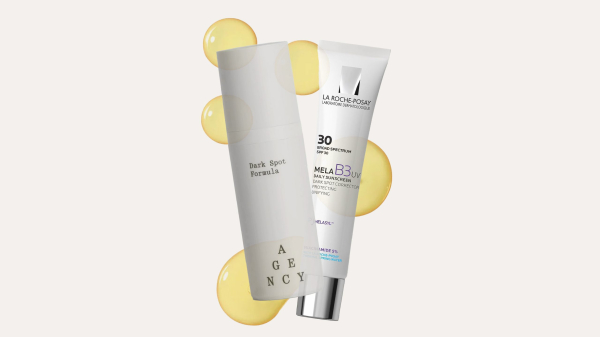
  • Why My Micro Fine-Line Tattoo Fell Off a Week After I Got It

    Why My Micro Fine-Line Tattoo Fell Off a Week After I Got It

    side by side photos of two friends getting micro heart tattoos on their wristCourtesy subjectSave StorySave this storySave StorySave this story

    My best friend Leah and I have been planning matching tattoos for years. We grew up together in London, but as we now live on separate continents—I moved to Florida five years ago—we wanted to do something special together to mark our 50th birthdays. “Twin tattoos” seemed like the perfect tribute. Predictable? Probably! But with five decades of friendship and five kids between us, it felt liberating and a bit rebellious to do something out of our ordinary and just for ourselves.

    After months of swapping and saving tattoo inspiration on Instagram, we chose to get matching micro-freckle hearts in a soft brown ink on our inner wrists. This was a deliberate placement: We thought it would be the perfect way to remind ourselves of our friendship whenever we were doing mundane things like typing on our laptops, making dinner, or driving the kids around.

    As I was due to fly into London for Leah’s birthday party, we chose to get inked at a fine-line tattoo boutique in Soho. We’d both heard good reviews and even though their prices were high (they were charging us £100 for each tattoo, which is around $135) we assumed this reflected the studios’ quality of service and artistry. Plus it had its fair share of celebrity clients (always a good sign, right?) and we loved their delicate designs.

    The day of the appointment, I’d had a Sofwave treatment—an ultrasound facial that, in my experience, is painful. Like, childbirth painful. So as I walked into the studio, bracing myself for another round of hurt, I asked Leah to go first. She’d already arrived, and had just found out that the artist we’d originally booked in with wasn’t available and so we were seeing someone else instead. This was frustrating as we had booked the original artist months ahead due to his experience and work which we’d previously checked out on Instagram. But as the studio had a good reputation, and specialised in micro and fine-line tattoos, we figured it would all work out fine, no matter who we saw.
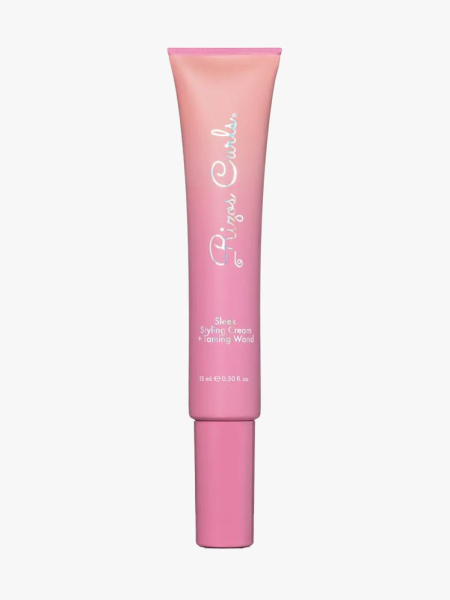
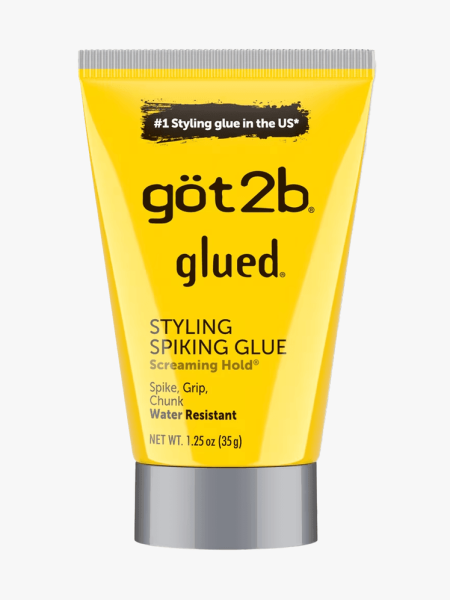
    As Leah was being inked, she reassured me that the process felt like ”being gently scratched by a cat” which sounded doable, especially after my painful facial. And when it was my turn, I barely felt a thing. Maybe I’d already reached peak pain that day?

    Once the artist finished both our tattoos, she sprayed our wrists with a quick-drying liquid plaster. She told us to message her if we had any problems or needed a touch-up after a few weeks.

    Exactly one week after the appointment, as I was preparing for bed, I looked down at my wrist, and my tattoo was gone.

    The following week, back home in Florida, I kept looking down at my wrist, checking that the heart-shaped scab was still there. It was so tiny that I worried once the scab fell off, there'd be nothing left. Turns out, my fears were justified. Exactly one week after the appointment, as I was preparing for bed, I looked down at my wrist, and it was gone. My new tiny tattoo was not there. I grabbed my glasses to double-check. Nope! I asked my husband to look. He couldn’t see it either (much to his amusement).

    I mean, it was small in the first place, but I was shocked—so much so that I had to share my disappearing tattoo tale on Instagram. Surely, this is not a me thing? What have I done wrong? Has anyone else experienced this? And that is when the tattoo stories came flooding in.

    “I had a small cat face done on my inner ankle. The tiny heart-shaped nose got a little infected and a few days later, I noticed a little black heart was lying on the bottom of my shower… all that’s left is the outline.”

    “Mine floated off in the bath!”

    “I had my anniversary date tattooed onto my finger. It fell off in places after 2 weeks. It looks like I’ve drawn it myself with a Biro pen and then washed my hands.”

    “Me and my friend did the same…we had I 🍎 NYC and my apple fell off! Actually turned into a big hole as my skin rejected the red dye.”

    “I got a little ladybug on my big toe 30 years ago and the same thing happened… I just have like a black dot on my toe now.”

    During the appointment, I had a feeling in my gut that the artist’s technique was a little off. The lack of pain was the initial alarm bell, and it made me suspect the needle wasn’t going in deep enough. But it was my first tattoo! What did I know? I figured I was just being paranoid.

    Why Depth Matters for Fine-Line Tattoos

    Probably not according to Pilar Zurita, a fine-line artist at NYC’s Atelier Eva. Zurita explained to me that while micro and fine-line tattoos are generally less painful than traditional ones because the needles are incredibly thin, she does believe that in my case, the needle wasn’t reaching into my skin deep enough.

    “I believe the artist was tattooing too close to the surface in an attempt to prevent the ink from spreading or blowing out,” she explains, “and because the needle didn't reach the proper layer of skin, the pigment couldn't hold.”

    I mentioned that I’d noticed the artist going over the same area again and again. Could that have also played a part? “It takes a lot of skill to find the perfect depth,” Zurita explains. “Going over the same spot too many times, even if done superficially, likely overworked the skin, creating a heavy scab that took all the ink with it once it healed.”

    Tattoo artist Sarah Gaugler, who has almost 20 years of experience creating delicate designs, believes the sudden request for this new artist to step in may have also contributed to the fall-out.

    “When an artist feels rushed or anxious, the needle may stay too shallow, placing the ink solely in the epidermis (the outer layer of the skin),” Gaugler says. “If ink sits only in the epidermis, it remains in the scab that forms and then flakes away with that scab during healing.”

    Did My Age Affect How the Tattoo Healed?

    My beauty editor brain kicked into overdrive when I ran my fingers over the scab an hour or so after the appointment. My skin is 50 years old, I thought. It doesn’t bounce back the way it used to. I was concerned my age would affect the way the tattoo healed, even if I never imagined it’d vanish completely.

    Board-certified dermatologist, Dr. Mona Gohara, MD—who like me, got her first tattoo at 50—explains that while I was right to be worried for other reasons, I shouldn’t have been concerned that the age of my skin would be an issue.

    “It is true that as we age, collagen production decreases, skin becomes thinner and less elastic, and wound healing can be somewhat slower, and those changes may influence how skin responds to tattooing and heals afterward,” she says. “But a disappearing tattoo is more likely to involve technique, pigment depth, and location than simply turning 50.”

    I also thought that the size of my tattoo could be to blame. After all, it was so tiny! But Gaugler insists this isn’t the case and, like Gohara, believes the artist's experience was to blame.

    “If a tattoo disappears entirely during the peeling phase, the cause rests with the artist’s technique and depth rather than the size of the artwork,” she explains. “For tiny tattoos, yes, there is definitely a limit to how small a design can be before it blurs over time, however, your specific tattoo size would be perfectly fine. Tiny, fine-line tattoos can heal beautifully and last a lifetime when placed with proper precision.”

    The Placement of a Tattoo Matters

    To give our artist some credit, she did give us great advice on the placement of our tattoos. When we mentioned that we wanted them on our inner wrists, she told us to avoid inking too close to our wrist creases. Zurita agrees that this was the correct guidance; the wrist crease is a high movement area that can affect how the tattoo holds up and ages over the years. “I always like to recommend placing it a couple of inches below the wrist,” Zurita says.

    Even so, that area can be particularly difficult to tattoo. “The inner wrist is a beautiful placement, but it takes a lot of skill to find the perfect depth,” Zurita adds. “The artist has to balance preventing fading with avoiding a blowout, especially since the skin there is so thin and subject to constant movement.”

    A few days after mine fell off, Leah’s tattoo vanished too. We both received full refunds from the studio, but we haven’t given up on marking our milestone with ink, and we are already planning round two. But this time, we’re approaching the whole process a little differently.

    Why Brown Tattoo Ink Fades More Quickly Than Black

    Our new plan starts with ditching the brown ink. Although it looks softer on the skin, and we loved that it was a trending color, it turns out that brown isn’t a practical shade for micro or fine-line tattoos. As Gaugler explains, brown ink is made up of a mixed blend of different primary pigments—typically blue, red and yellow—and over time, when your tattoo is exposed to daylight, the sun acts like a laser which alters and fades these colors.

    “Because yellow and red pigments have much weaker chemical bonds than pure carbon [black], the sun breaks them down first,” explains Gaugler. “Your immune system easily cleans up those broken, tiny pieces and carries them away. That is why a brown tattoo can eventually appear patchy as the colors vanish.”

    Zurita always recommends classic black for micro or fine-line tattoos as “it heals much more solidly and holds up better over time.” Meanwhile, NYC-based fine-line artist Marina Molist refuses to work with anything else: “It’s easier for the body to accept and retain black ink than other colors.”

    Experience Matters When Picking a Tattoo Artist

    Looking back, our biggest mistake was accepting that last-minute artist swap. While Leah and I had specifically booked a senior artist who specialized in micro designs, we let our guard down when the manager swapped him out last minute for someone more junior. We assumed the studios’ great reputation in fine-line artistry meant that all of their artists were experienced in the technique. Plus, we were still paying £100 for the service—the shop’s minimum fee regardless of tattoo size or artist. Surely any of their artists will provide a similar result and service?

    Not necessarily, according to Molist: “Money shouldn’t be the main reason why you pick an artist,” she says. “I always see tattoos as an investment—they will stay on your skin forever, so you might as well pick the artist who best fits your style and preferences.”

    For next time, we will insist on being inked by someone we have thoroughly researched beforehand, and will vet the artist by checking their portfolio, looking for pictures of healed tattoos rather than fresh-off-the-needle snaps. “Anyone can make a fresh tattoo look good,” Pilar insists, “but healed work shows the artist's real skill and technical depth.”

    The Best Aftercare Method for Micro Tattoos

    While there was nothing Leah or I could have done to prevent our tattoos from falling off, next time we’ll be approaching aftercare with extra diligence. And that starts right after inking.

    Although many artists rely on medical-grade adhesive film like Saniderm or Tegaderm or quick-dry sprays like the one used on us, Gaugler prefers a more traditional approach for delicate fine-line and micro work.

    “I recommend letting the skin breathe and applying a thin layer of unscented, lanolin-free A&D ointment two to three times a day for the first one to two weeks,” she says. “This aftercare method eliminates the hidden risks of medical adhesives while giving you full visibility over how your skin repairs itself day by day.”

    Gaugler explains that sensitive skin can react to strong adhesives and spray-on plasters, which can cause blistering and rashes, which can eventually lead to pulling the ink out entirely. “There is also a chance that the ‘second skin’ acts like a greenhouse, trapping bacteria in a warm, moist environment with direct access to your open dermis,” she cautions. “This can lead to a severe, rapid infection.”

    Dr. Gohara also reminded me of the importance of hydration and sun protection to help promote healing too. “Staying hydrated directly affects your skin health and healing,” she says. “Once the skin has healed, be diligent about sun protection because UV exposure can contribute to fading.”

    Clearly, by the hundreds of views and comments made on my Instagram reel, Leah and I are not the only ones to have experienced this tattoo trauma. But as the experts reminded me, this experience really needn’t happen to anyone—as long as you prioritize the artist’s experience and technique first.

  • All the Heartthrobs Are Buzzing Their Hair—See the Photos

    All the Heartthrobs Are Buzzing Their Hair—See the Photos

    Connor Storrie and Erling Haaland pose with their signature hairstyles.Getty ImagesSave StorySave this storySave StorySave this story

    It's a time-honored tradition for a beloved, much-swooned-over heartthrob to ditch their signature hairstyle and reach for the clippers. Over the years, we've seen this phenomenon occur many times, including when Justin Timberlake buzzed off his curls to signify a new chapter post-*NSYNC, To All the Boys I've Loved Before star Noah Centineo saying, “See ya!” to his curls in 2019, and Harry Styles shaving his fan-loved locks in 2023. Now, two new heartthrobs of the 2020s have joined the party, with Heated Rivalry star Connor Storrie and Manchester City footballer Erling Haaland both changing up their notable hairstyles in favor of a summery buzz cut.

    Let's start with Storrie, shall we? The actor is known for his signature curls, but they appeared to be long gone in a snapshot shared by a fan account on X. Storrie and his Heated Rivalry costar Hudson Williams are currently shooting the second season of the enormously popular HBO Max series, and if these pics are legit, it appears that Ilya may have changed his look. Since the pic is shot from a distance, it remains to be seen what's really going on with Storrie's hair, but fan accounts are speculating what it could mean for the star and his Heated storyline.

    Storrie did allude to a future cut in an interview with Teen Vogue, saying, "I'm ready to cut this stuff off if y'all want me to be completely honest. I'm ready to shave my head. I don't know who's out there, but someone hire me and give me a crazy haircut." The clues were there; we just weren't ready for them!

    As for Haaland, whose long, pale-blonde hair nabbed countless headlines during the World Cup, he buzzed it off and filmed the whole thing for YouTube. In the video, he said he wanted to buzz it right after the World Cup, but was busy. However, a new season means “a fresh start" for the Norwegian striker, and nothing says fresh start like a brand-new haircut. Gone is the flowing, Viking-esque length, and in its place, a short blonde buzz. Comments on Haaland's Instagram post teasing the cut are mixed, with some fans loving the update and others mourning the loss of that platinum ponytail. But don't mourn too much. It's simply a new version of your fave soccer star or TV hockey player to love!

    Instagram content

    More celebrity beauty news:

    • Is That the Northern Lights? No, It's Zara Larsson's Eye Makeup
    • Nicole Kidman Makes a Case for Almost Invisible Brows on the Cover of British Vogue
    • Megan Thee Stallion Wore a Blonde French Roll on Michelle Obama's Podcast